

Homepage » Design history » Verner Panton: 100 years of visionary design
This year, we are celebrating what would have been the centenary of Danish designer Verner Panton: an extraordinary designer and major figure of the XXᵉ century. Visionary architect and designer, Verner Panton profoundly shook up the codes of Danish design with his signature style: boldness, color and experimentation. Discover his his radical, sensorial work, through emblematic pieces published by leading brands brands such as Vitra, &Tradition, Montana, Louis Poulsen or Verpan. One hundred years after his birth, the legacy of Verner remains vibrant and resolutely contemporary and still influence our interiors.
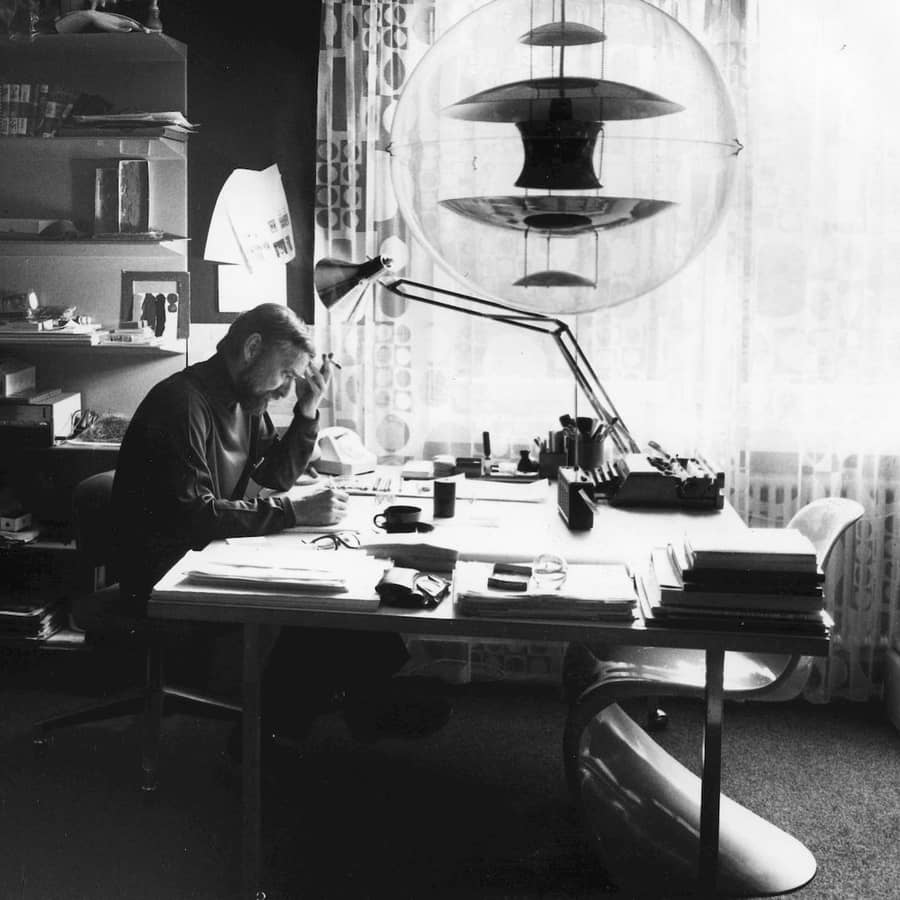
Major design figure of the second half of the XXᵉ century, Verner Panton (1926-1998) embodies Danish audacity at its best. Born in Denmark and trained by Arne Jacobsen, he quickly broke away from classical modernism to explore a radical, sensory and forward-looking universe.
Settled in Switzerland since the 1960s, he has championed a global design approach, in which furniture, light, textiles and color interact with rigor. A visionary creator, Verner Panton designed immersive, functional spaces, underpinned by exceptional visual mastery.
His joyful, experimental work celebrates color as a driving force of emotion and use, anticipating the future of our interiors.
01
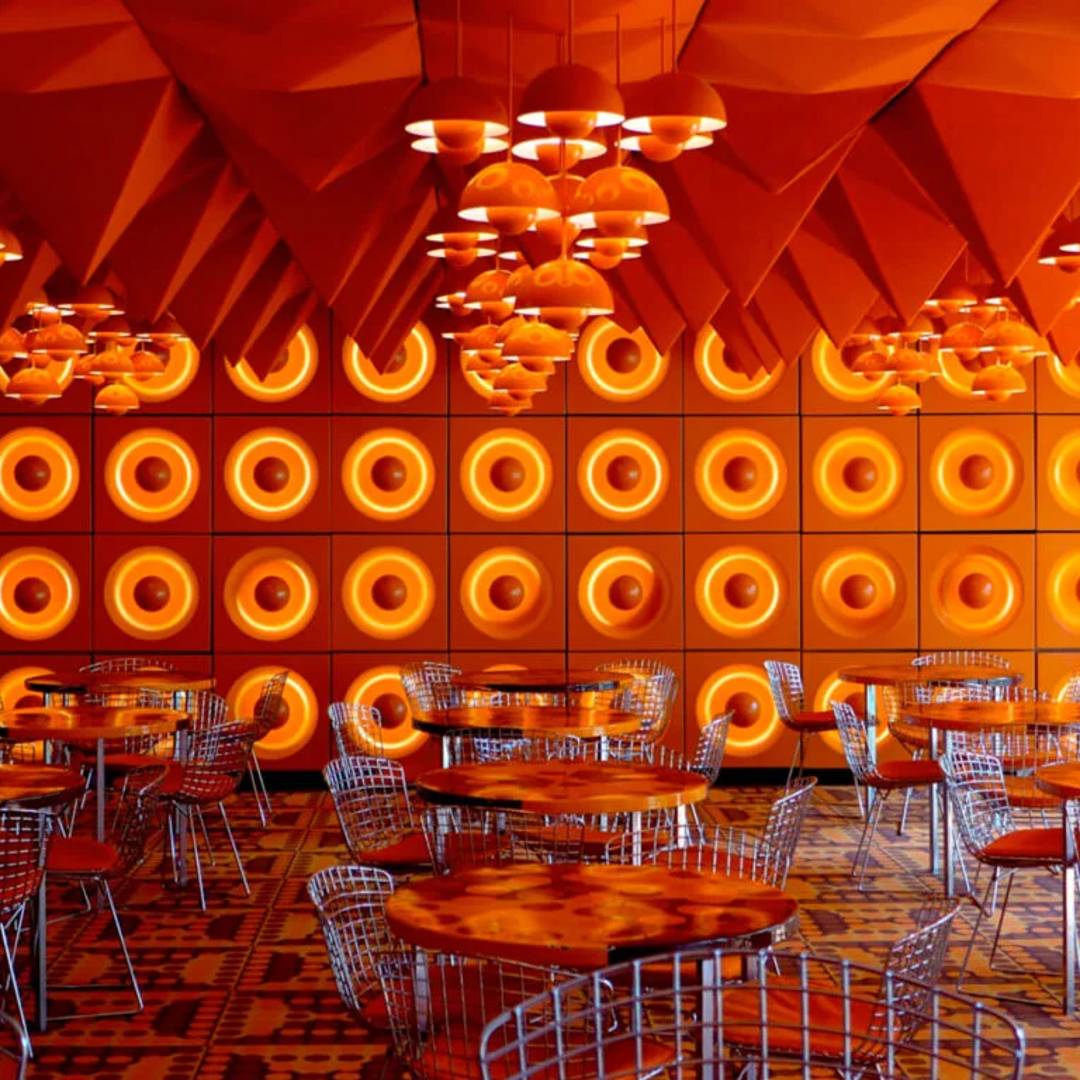
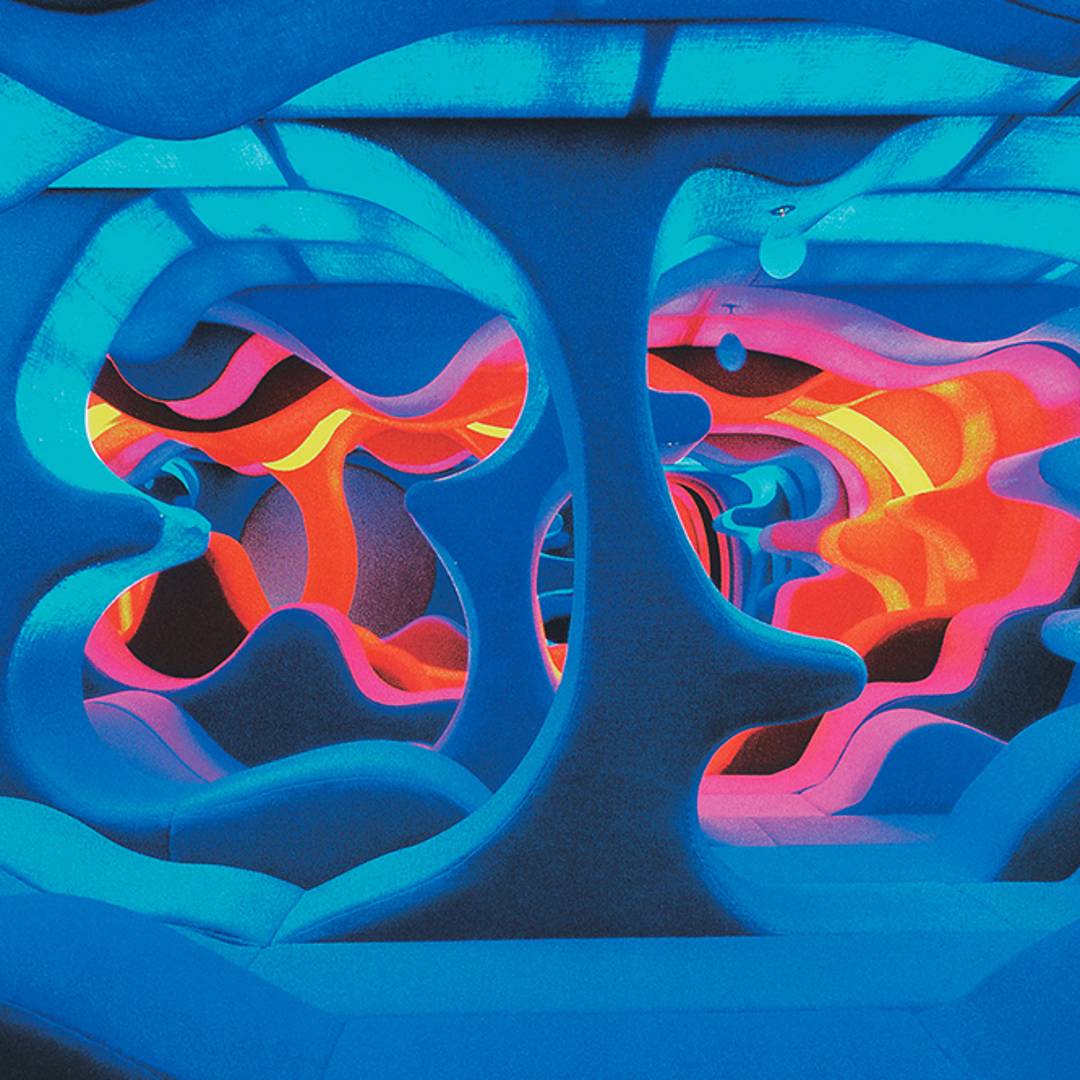
For Verner For Panton, color is never decorative: it’s functional, emotional, almost philosophical. Convinced that “you sit better on a color you like”, he sees color as a tool capable of influencing moods, perceptions and uses.
Working in chromatic ranges and temperatures, he composes immersive environments where each hue dialogues with the space. Bold, vibrant, sometimes disconcerting, his palettes transform interior architecture into a total sensory experience, making color the very heart of his creative language.
02
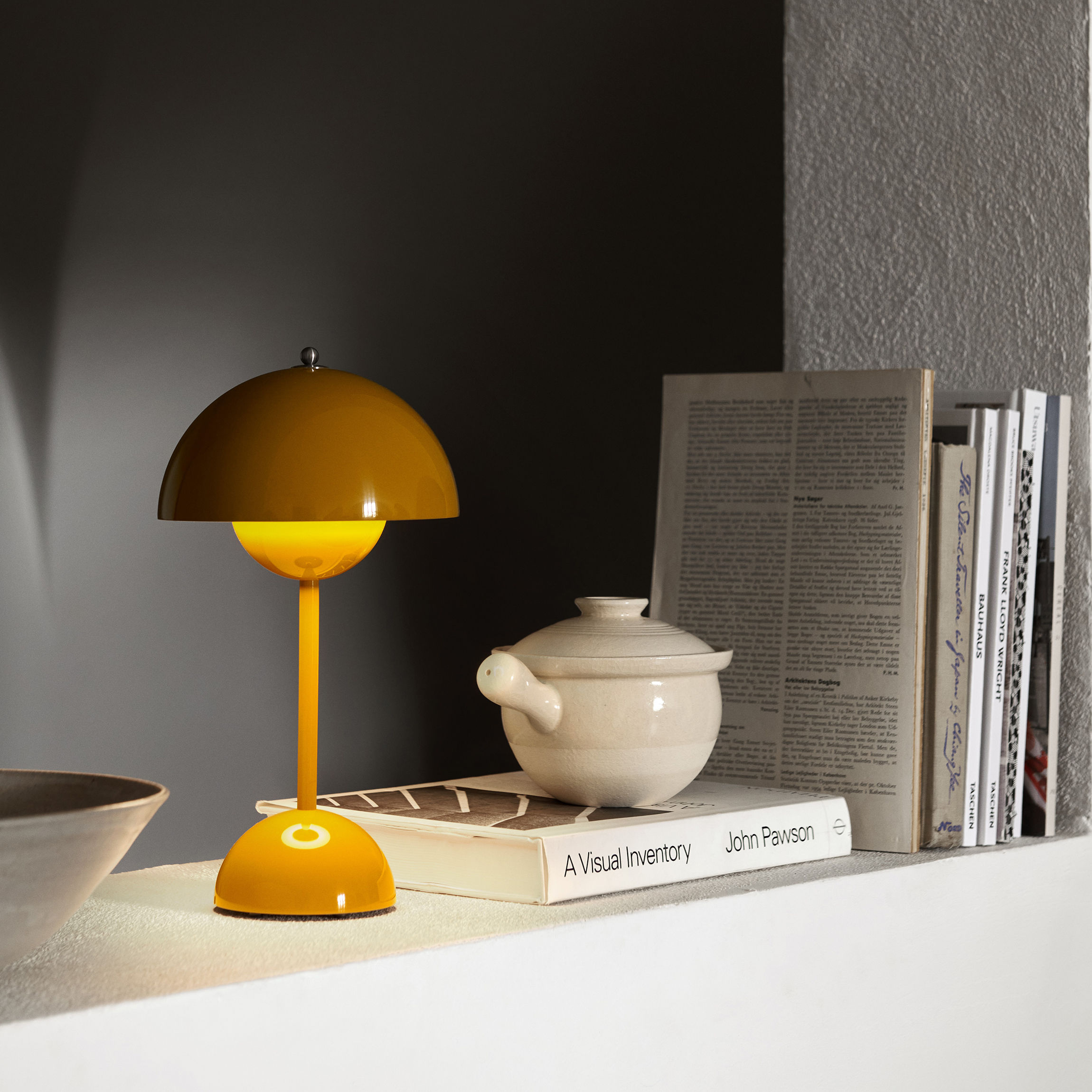
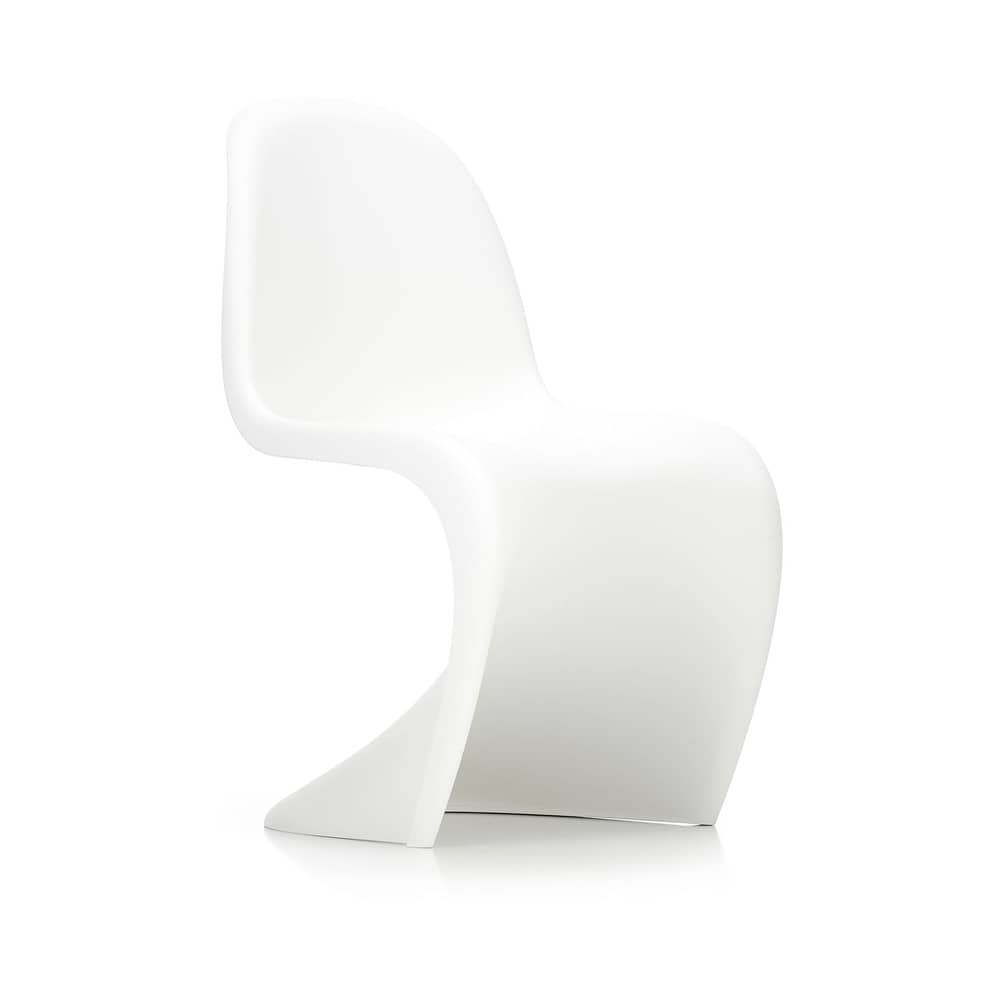
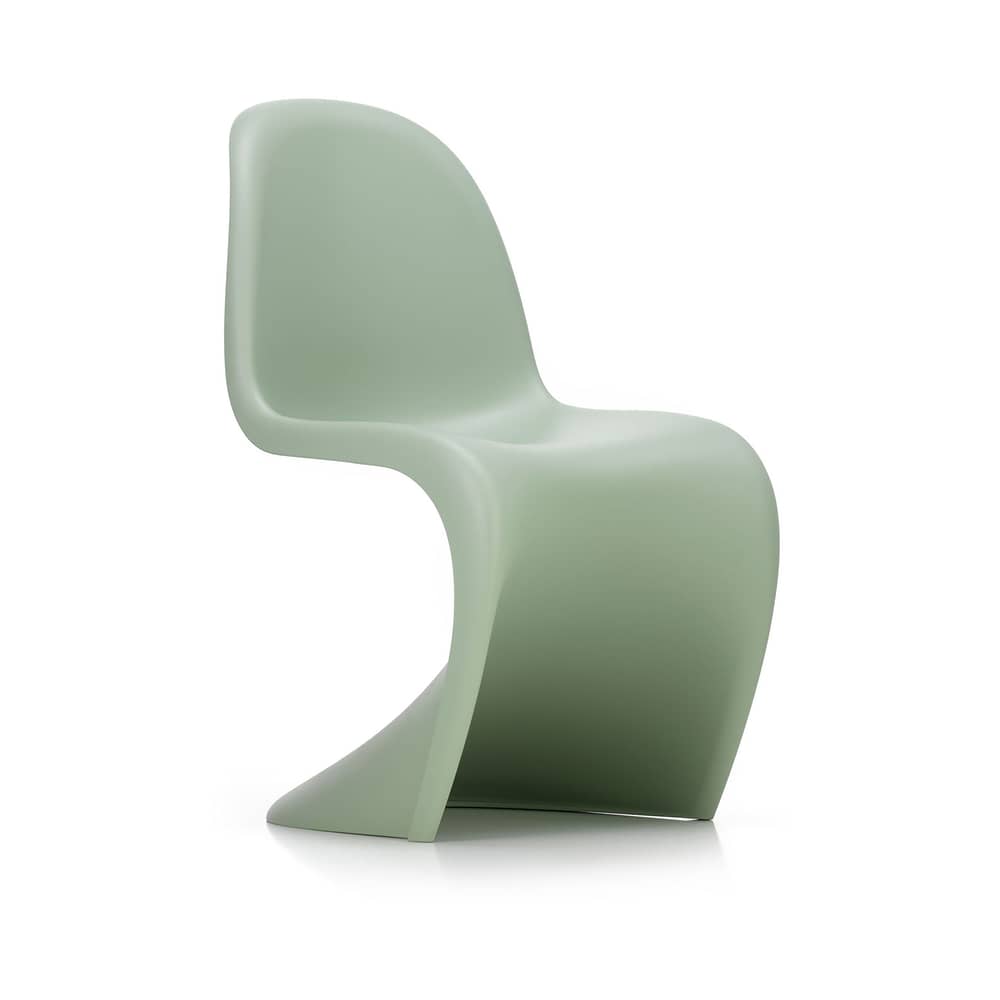
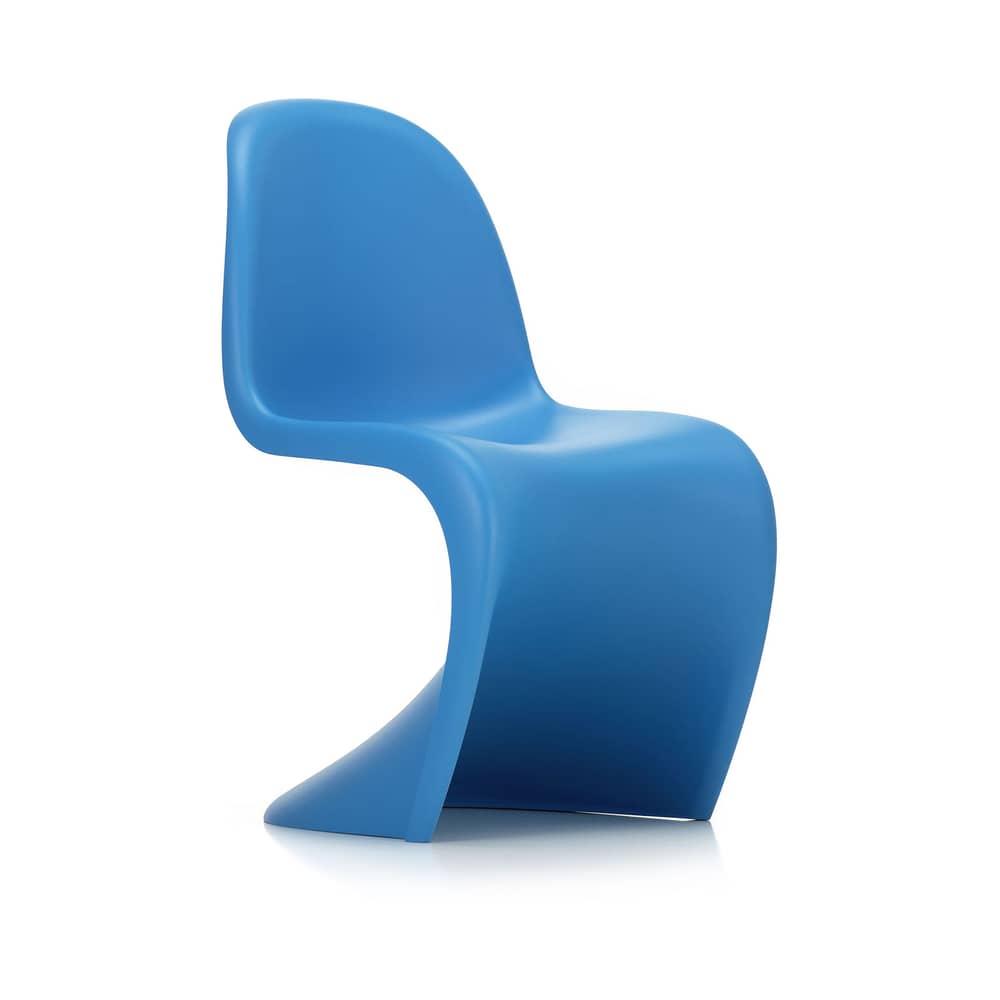
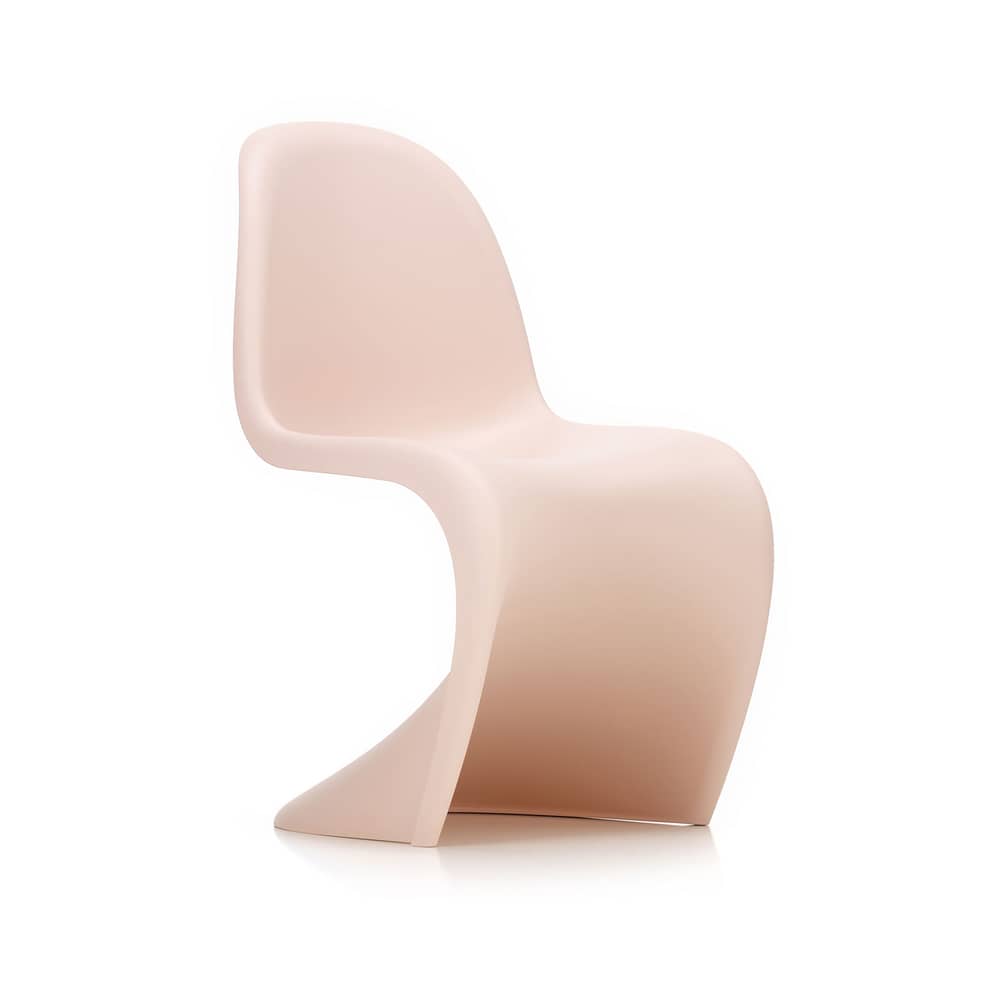
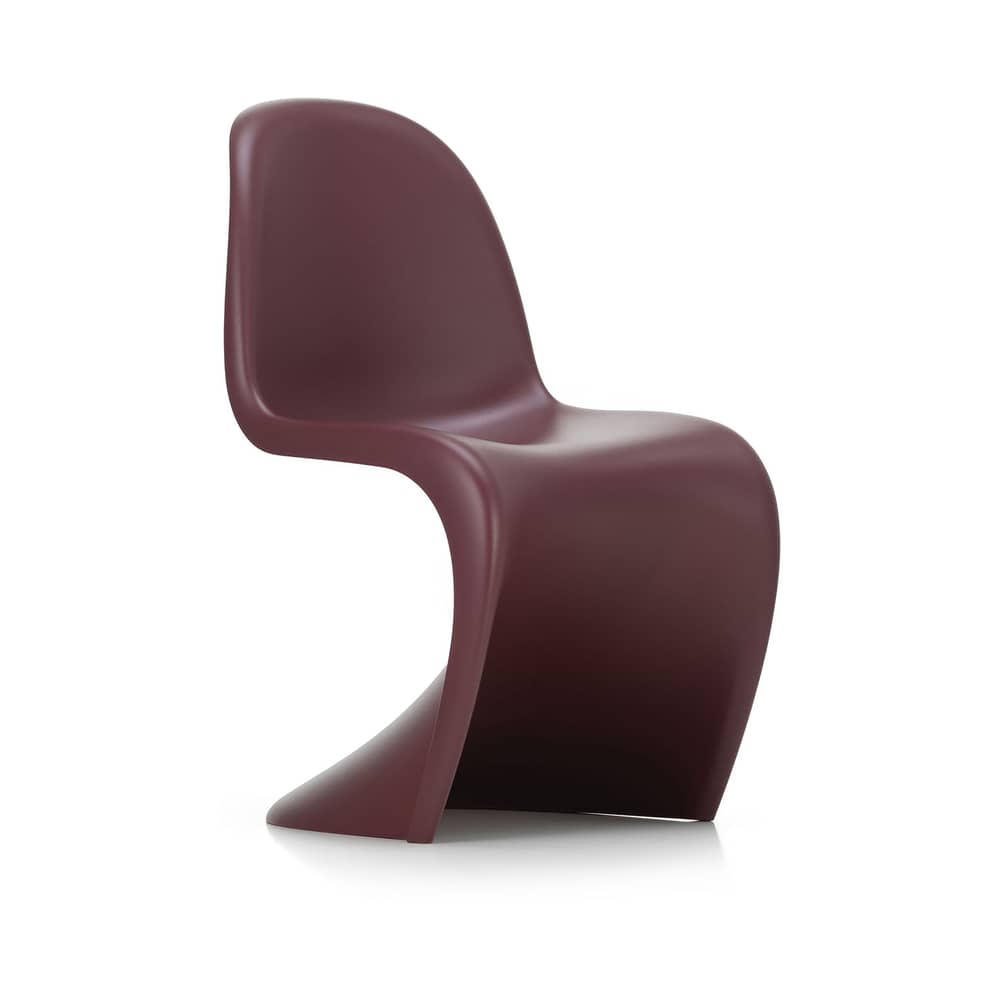
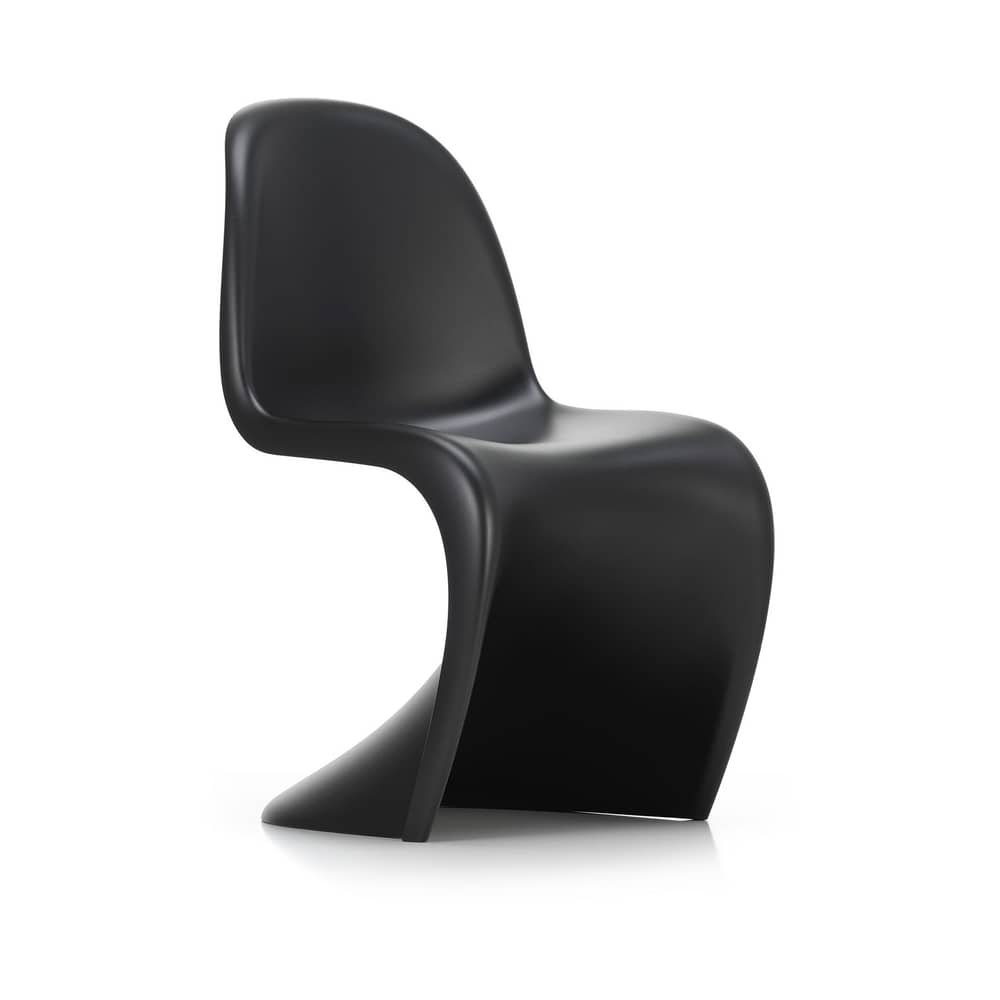
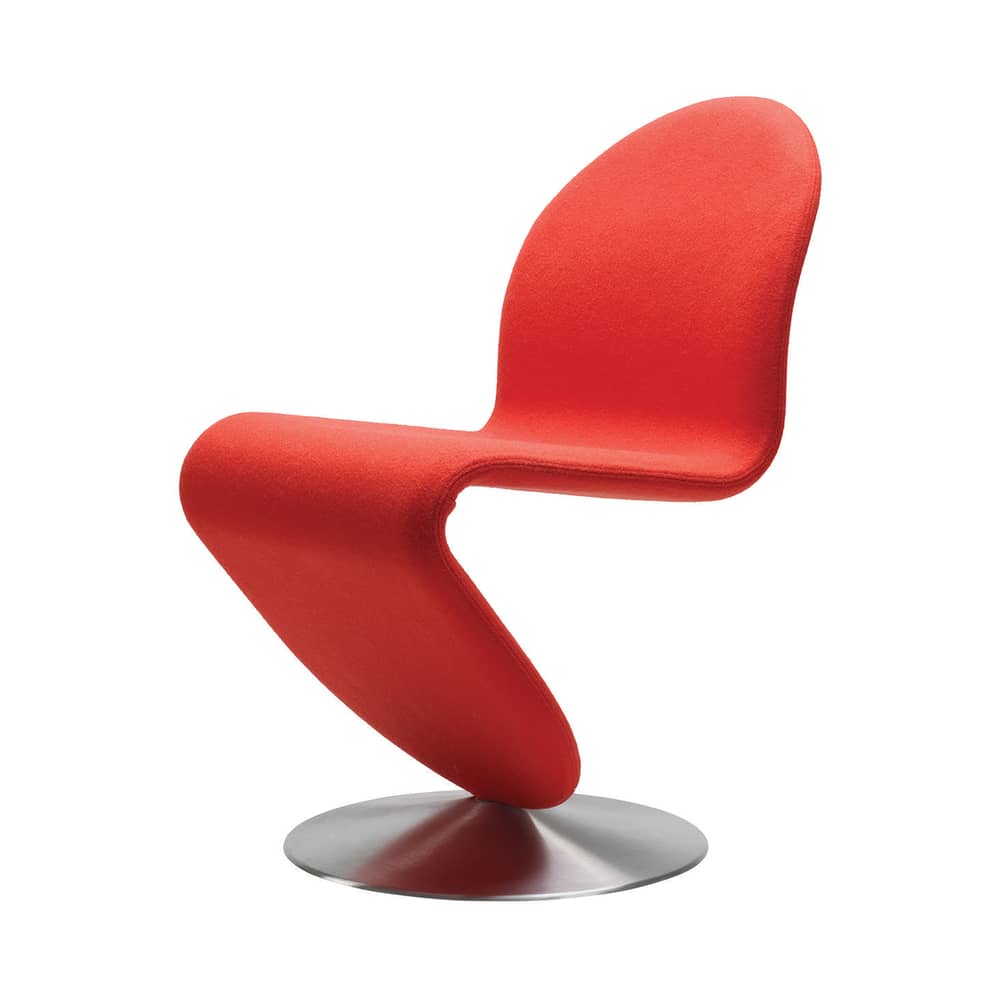
In his creations, Verner Panton replaces thea straight lines with curves that soften structures and breathe movement into objects. For his Panton Chair, published by Vitra, or his table lamp Flowerpot edited by &Tradition, the designer imagines legs that blend into the form continuous structuresand imagines dynamic dynamic. Thanks to molded plastics and monoblock construction, it rethinks balance and comfort without visual disruption.. Its mastery of curves creates a futuristic, iconic and profoundly functional design.
03
Verner Panton is first and foremost a design explorer. He is constantly experimenting with materials – plastic, fiberglass, metal – and rethinking their use to create new forms.
Each object is a field for innovation: repeating motifs, modular series, sculptural volumes. Bold and visionary, he never hesitates to defy convention, inventing new manufacturing processes and new interactions with space. His approach makes experimentation the core of his work.
From the early 1960s, Verner Panton found in Vitra a partner capable of turning his most daring ideas into reality.
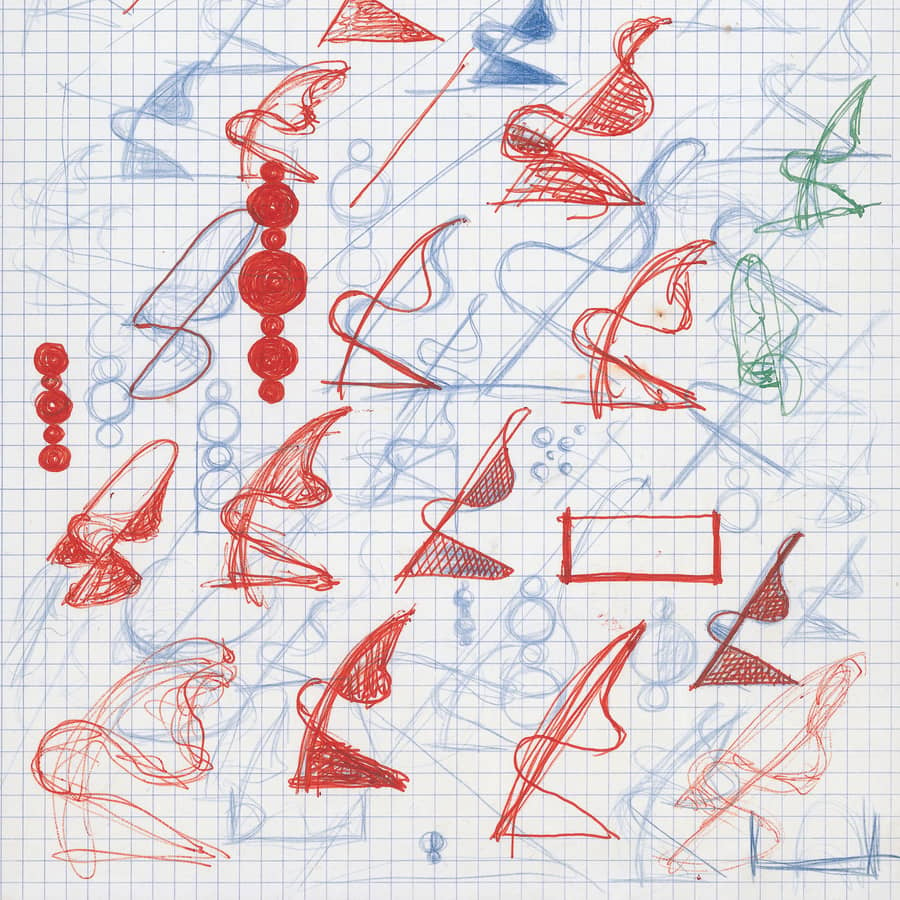
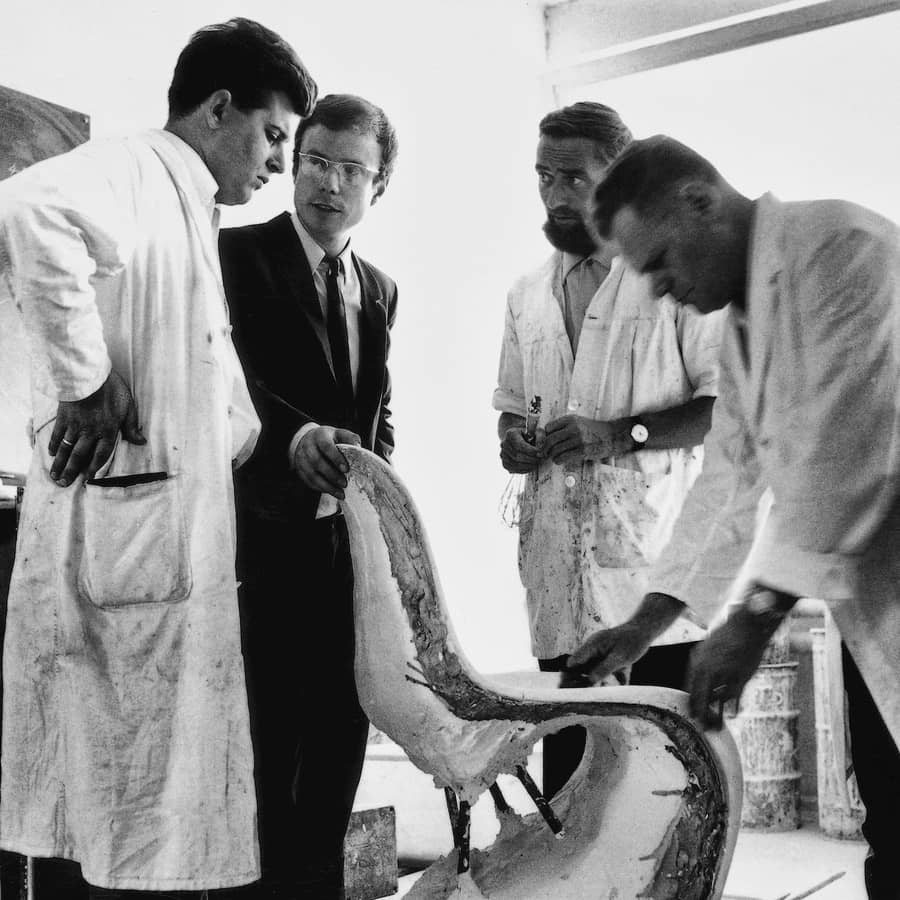
Based in Switzerland, he began working with the brand on the development of the Panton Chair, imagined as early as 1958 as a one-piece plastic chair designed to combine fluidity, ergonomics and sculptural aesthetics. Production proved complex: the first prototypes were heavy, difficult to stabilize and required lengthy sanding and finishing operations. Plastic was still only used for utilitarian objects, and transforming this material into functional seating was a real industrial challenge at the time.
Thanks to Vitra’s perseverance and technical innovations in materials and molding, the Panton Chair saw the light of day in 1967. Made of fiberglass-reinforced polyester, it became a design icon of the XXᵉ century and was exhibited in major international museums.
This success initiated a lasting collaboration between designer and publisher, continued today by the Panton family.
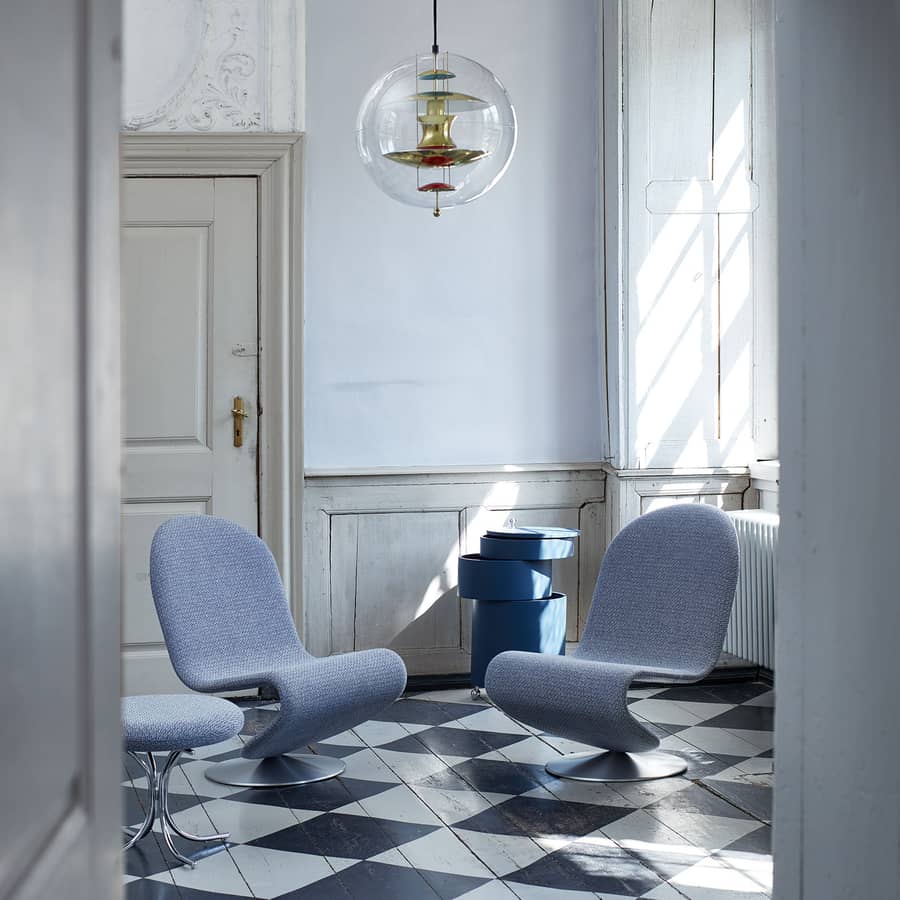
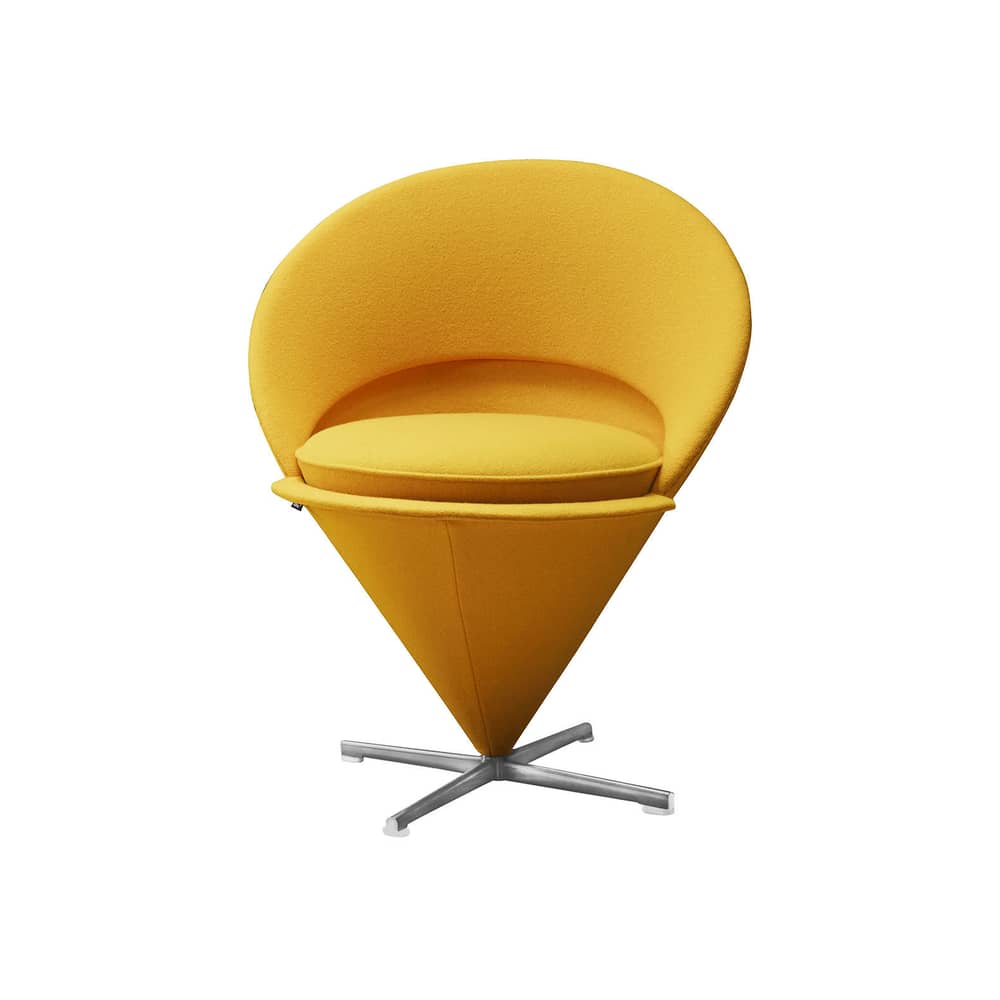
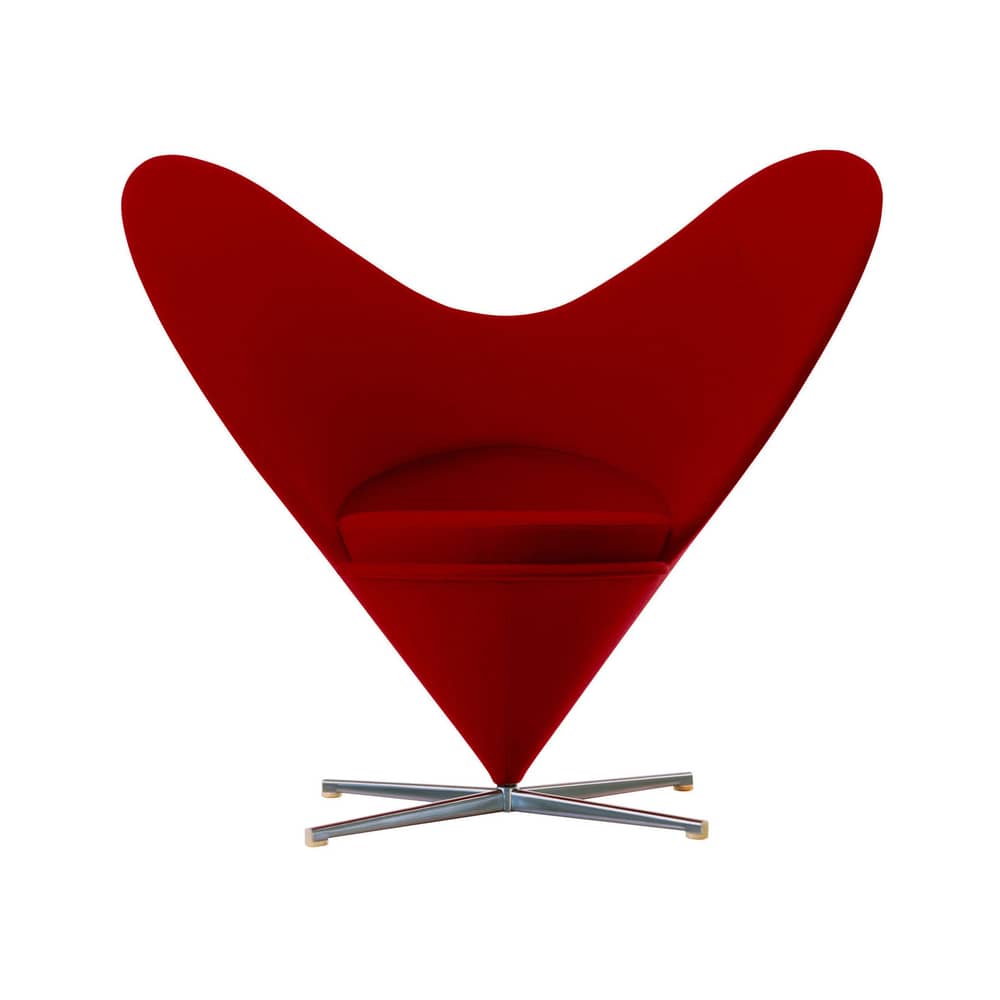
Vitra continues to faithfully reissue the designer’s iconic creations – Cone Chair, Heart Cone Chair, Amoebe, Amoebe Highback, Visiona
Stool, Living Tower – keeping Verner Panton’s innovative, experimental and radical spirit alive and accessible to contemporary design enthusiasts.
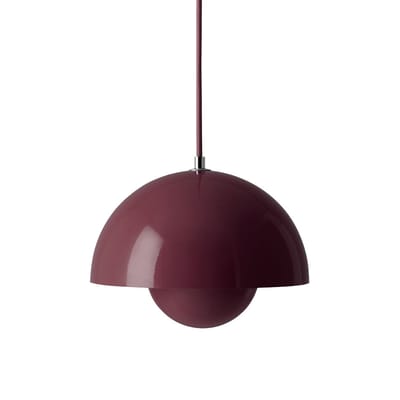
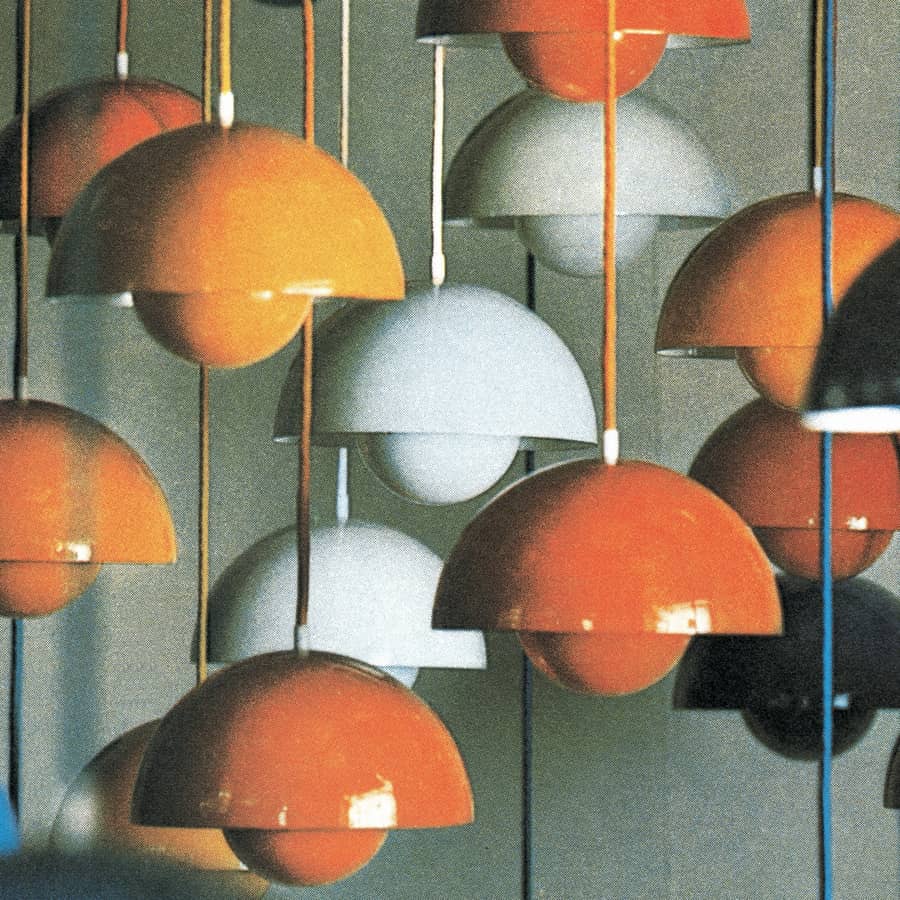
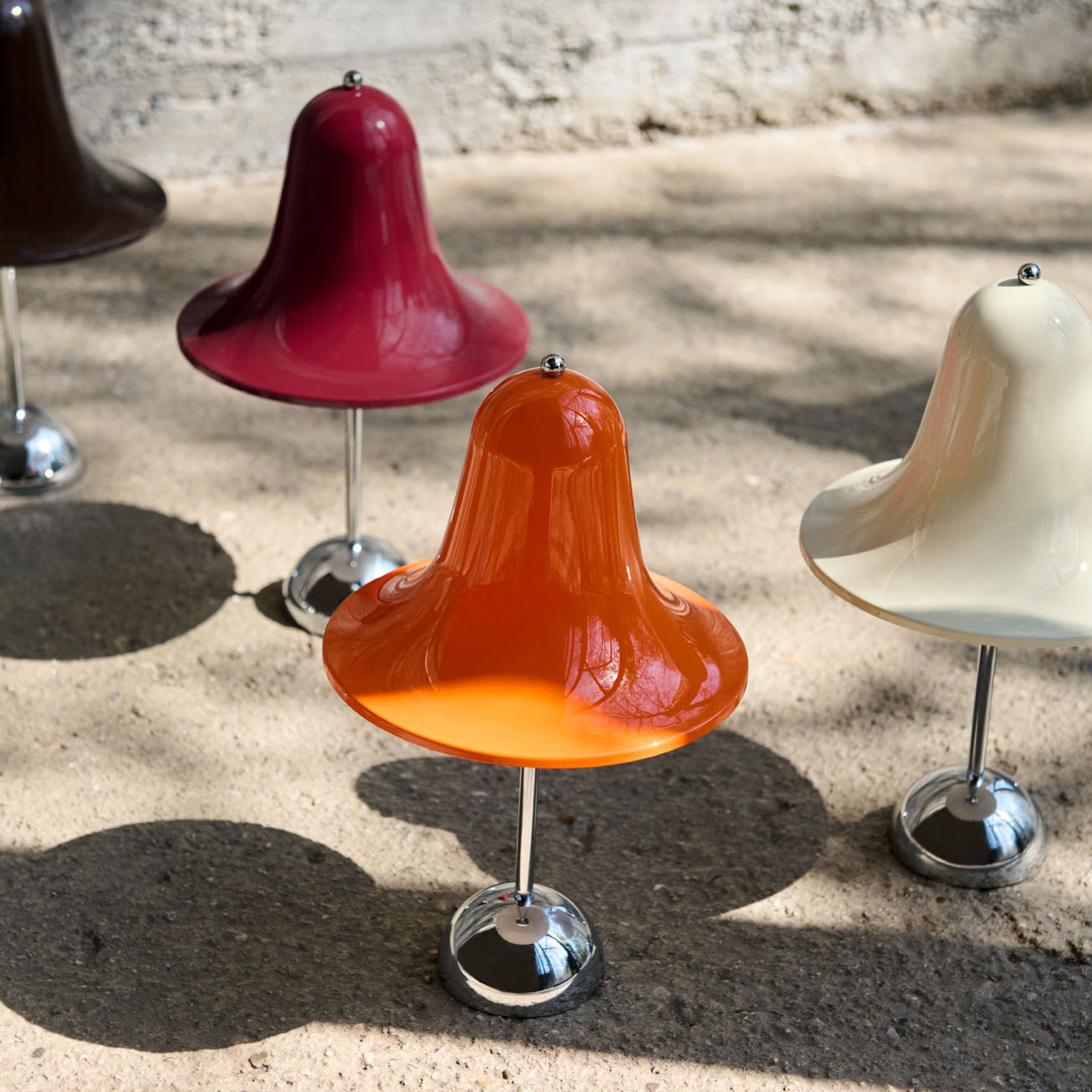
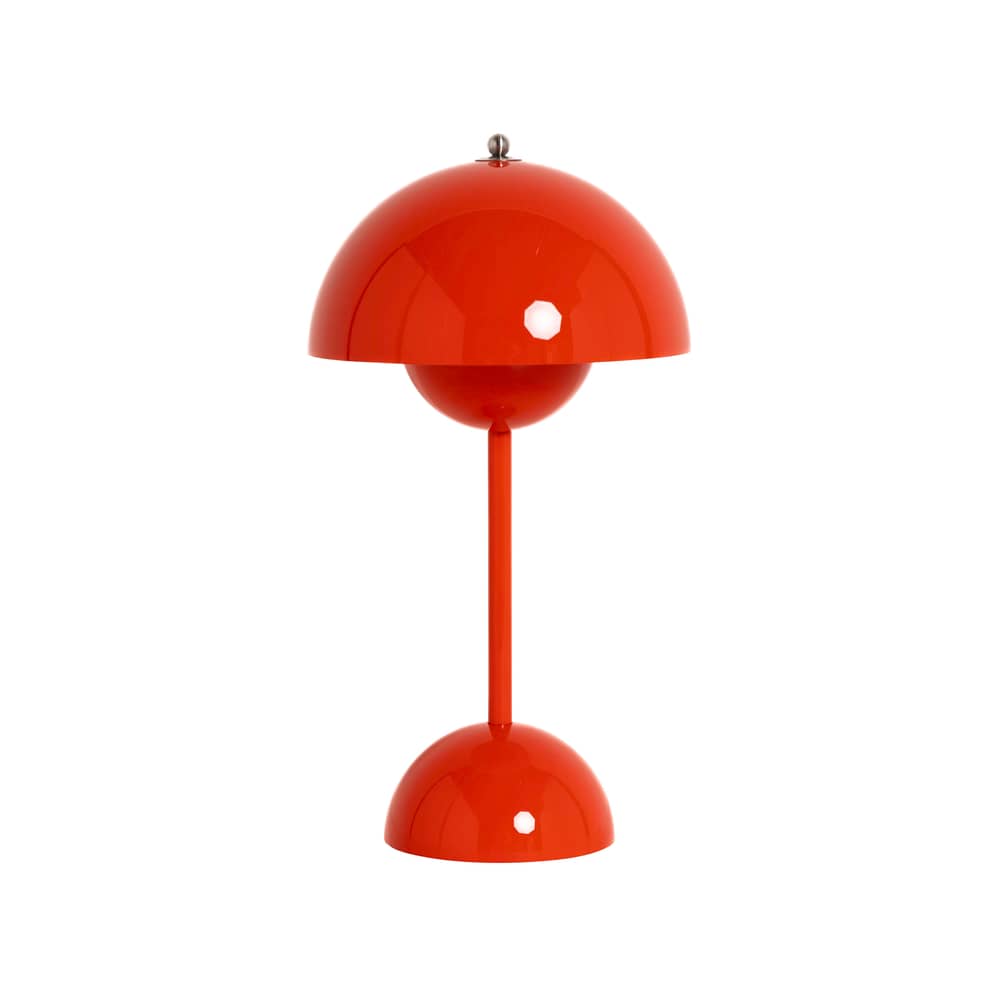
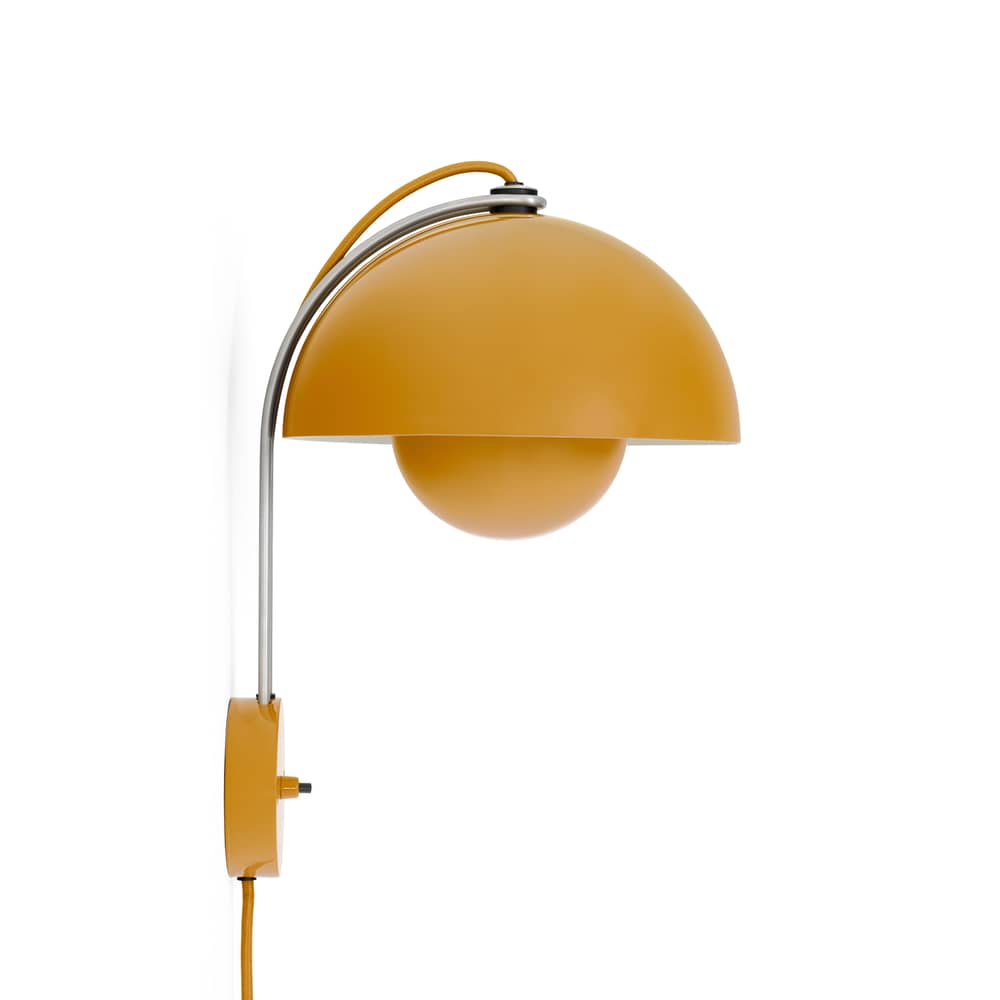
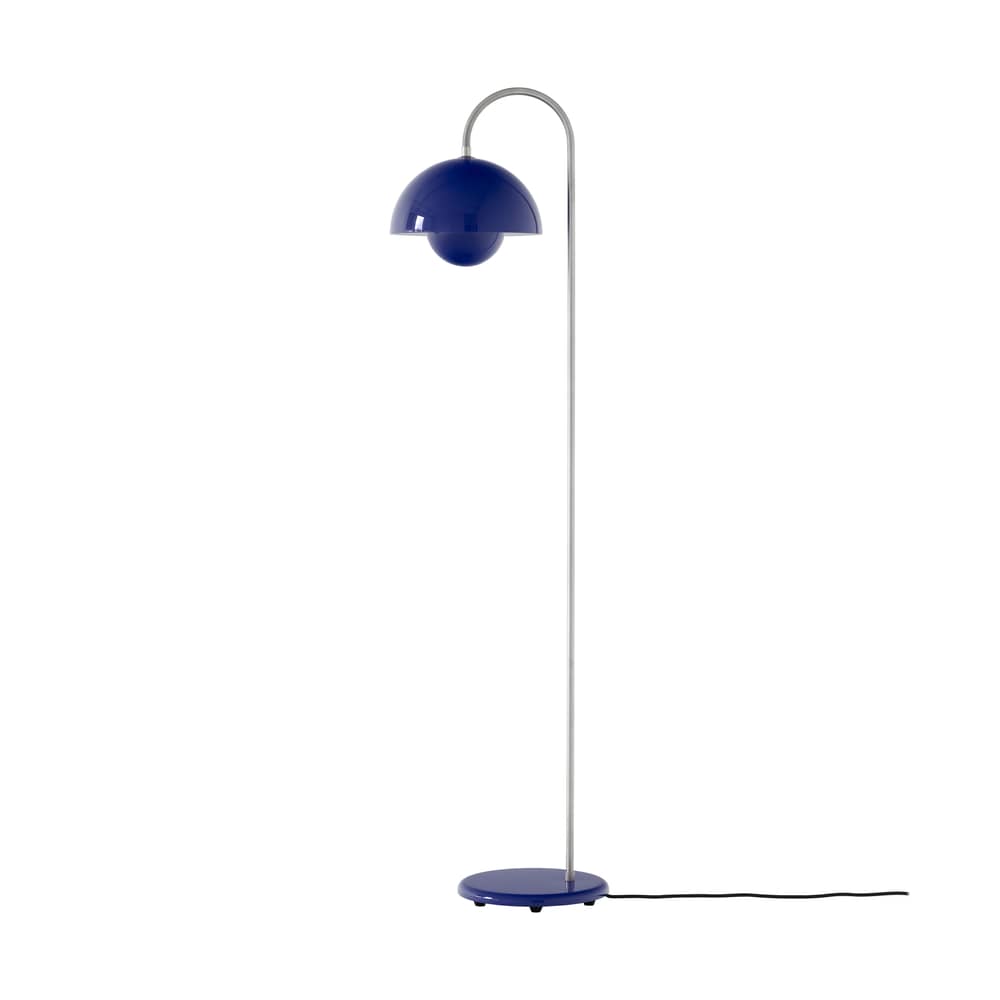
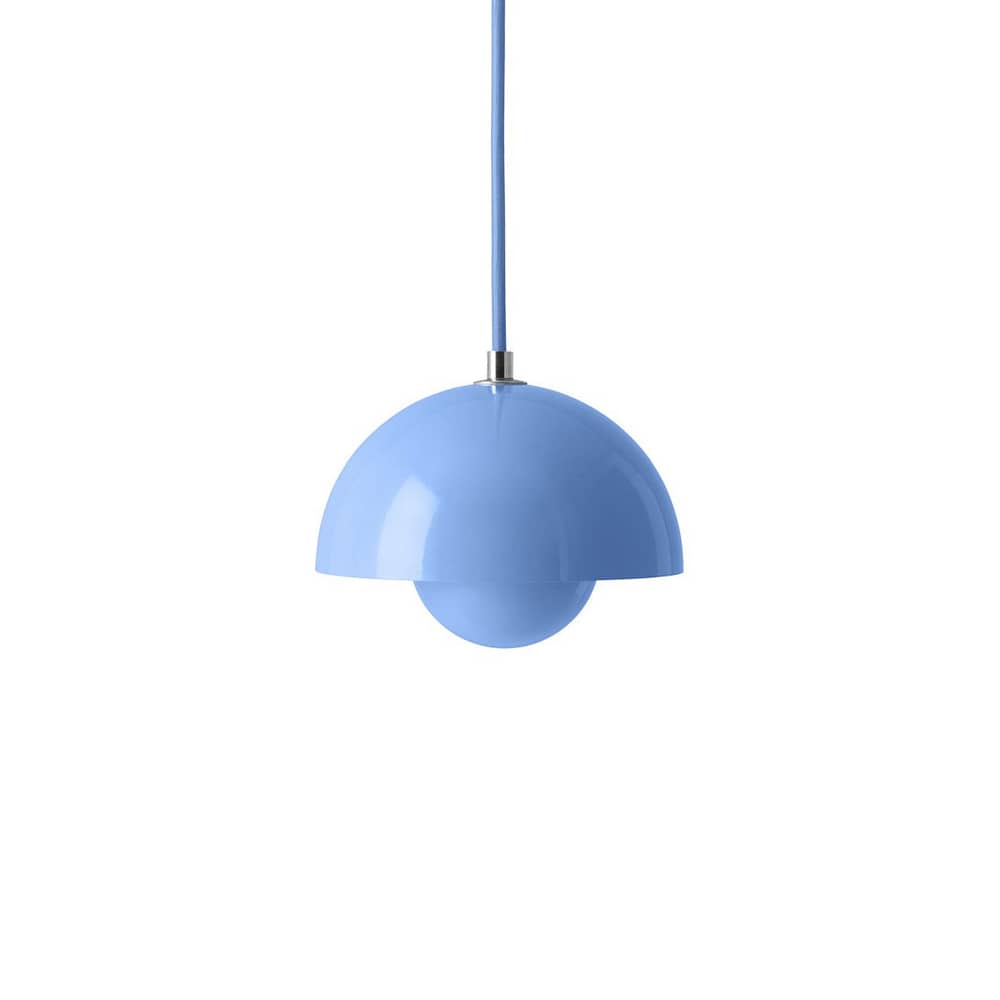
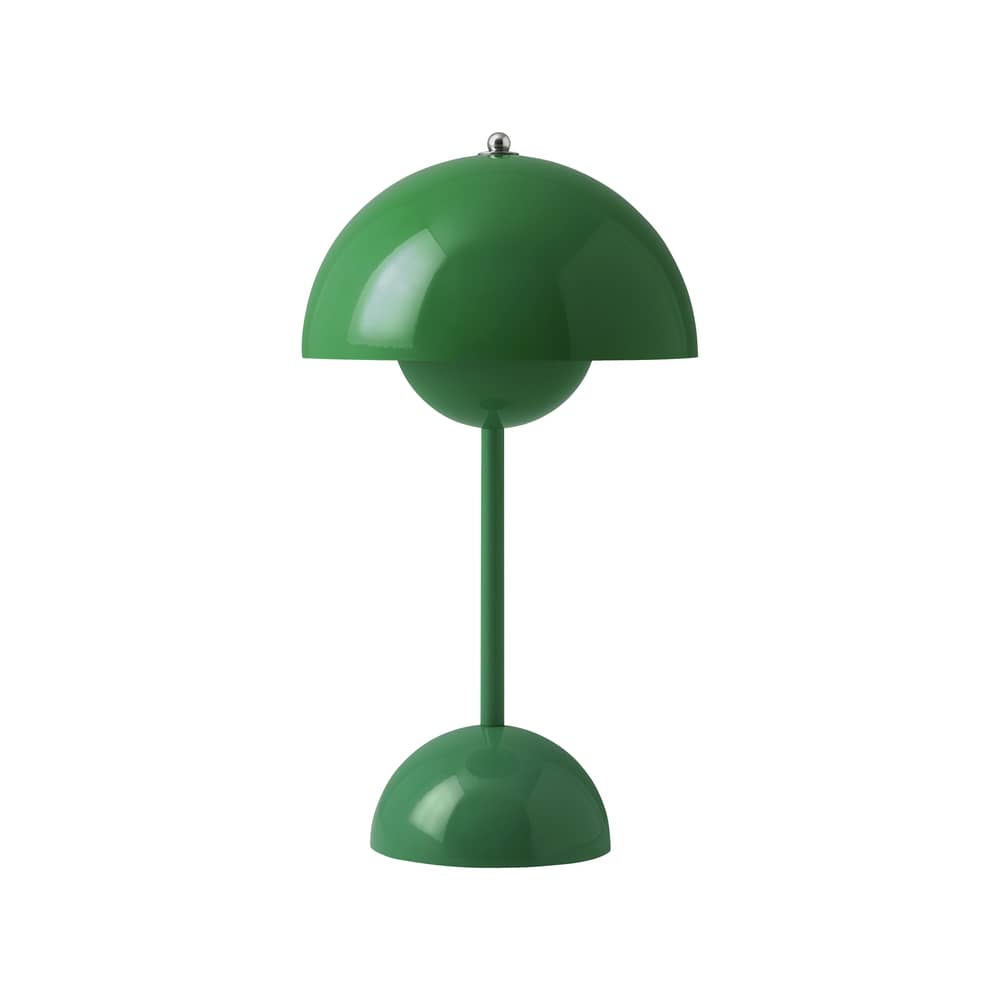
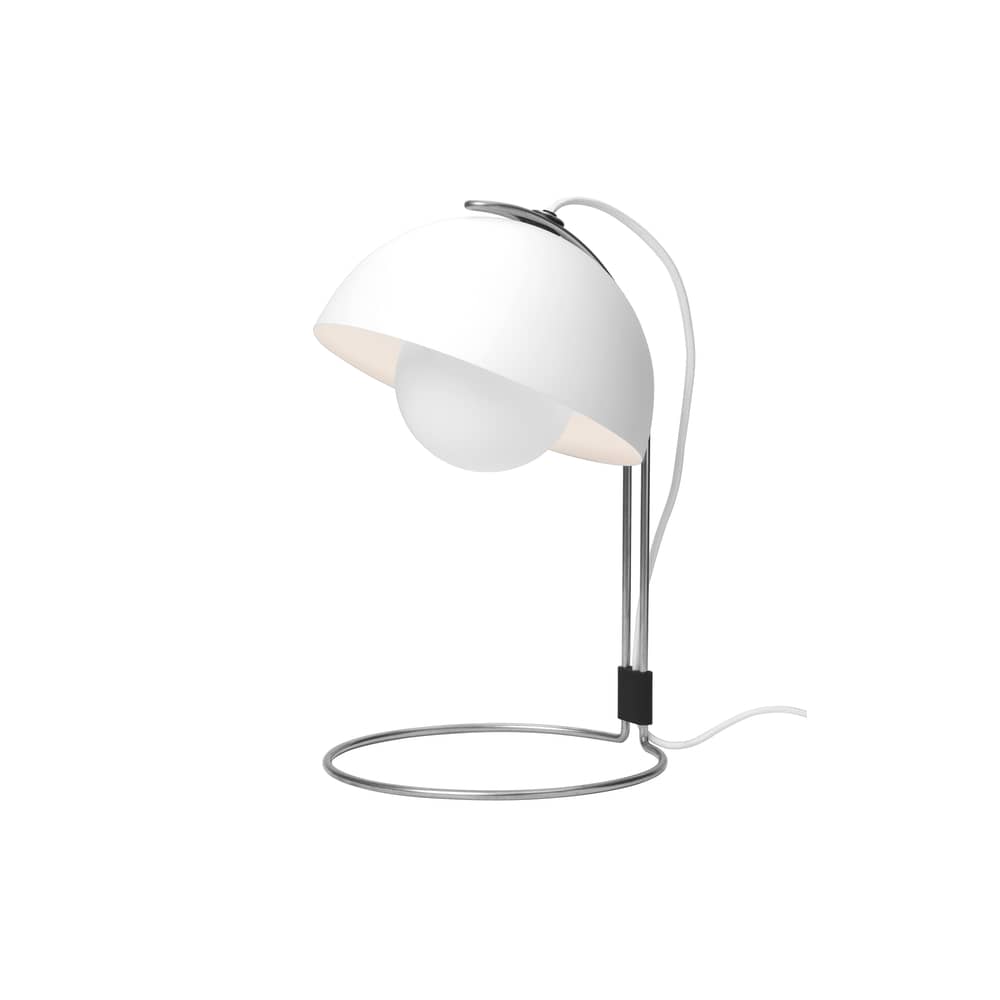
In 1968, Verner Panton signed the legendary Flowerpot, a lamp that embodied his bold vision of post-World War II Danish design. With its two perfect hemispheres and glossy finish, it diffuses a soft light, while injecting joy and energy into an environment then dominated by the urban gray of Copenhagen.
The very name of the lamp, chosen by Verner Panton, reflects the “flower power” spirit and his desire to play with colors, in opposition to the conventions and austerity of classic design.
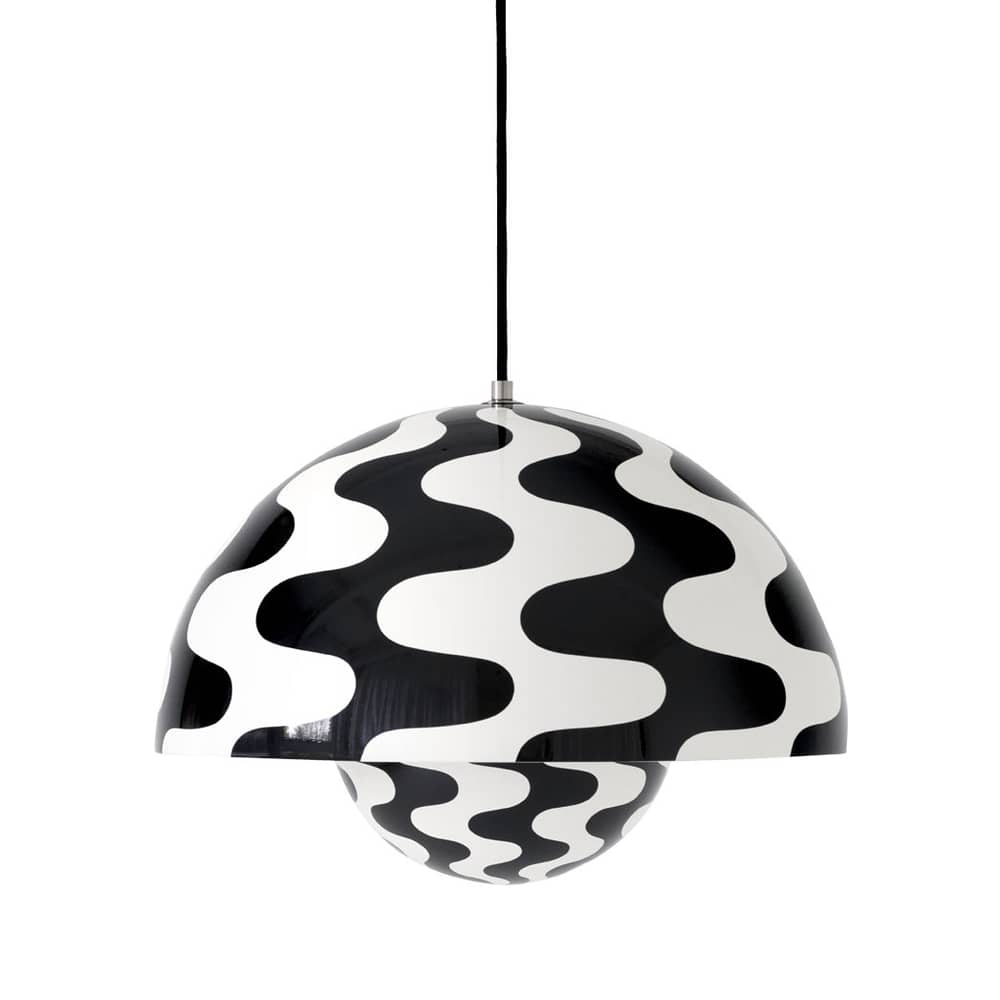
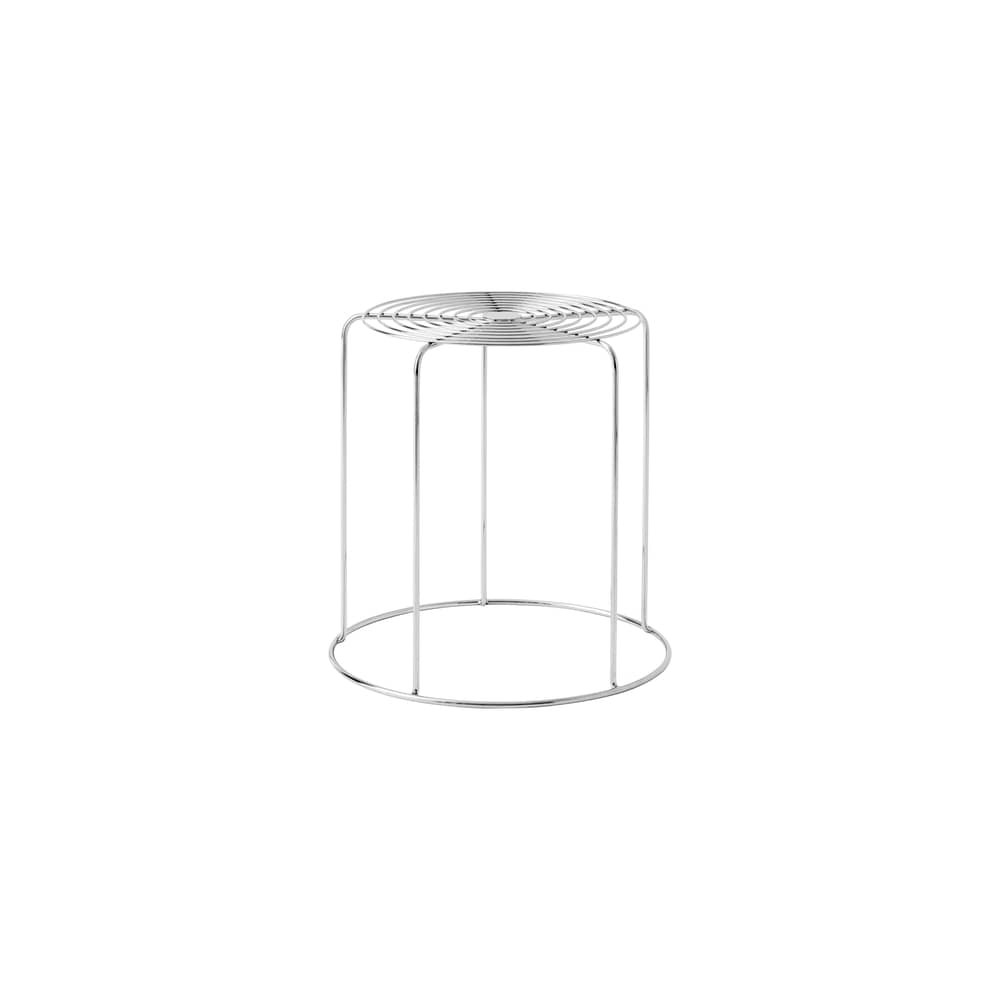
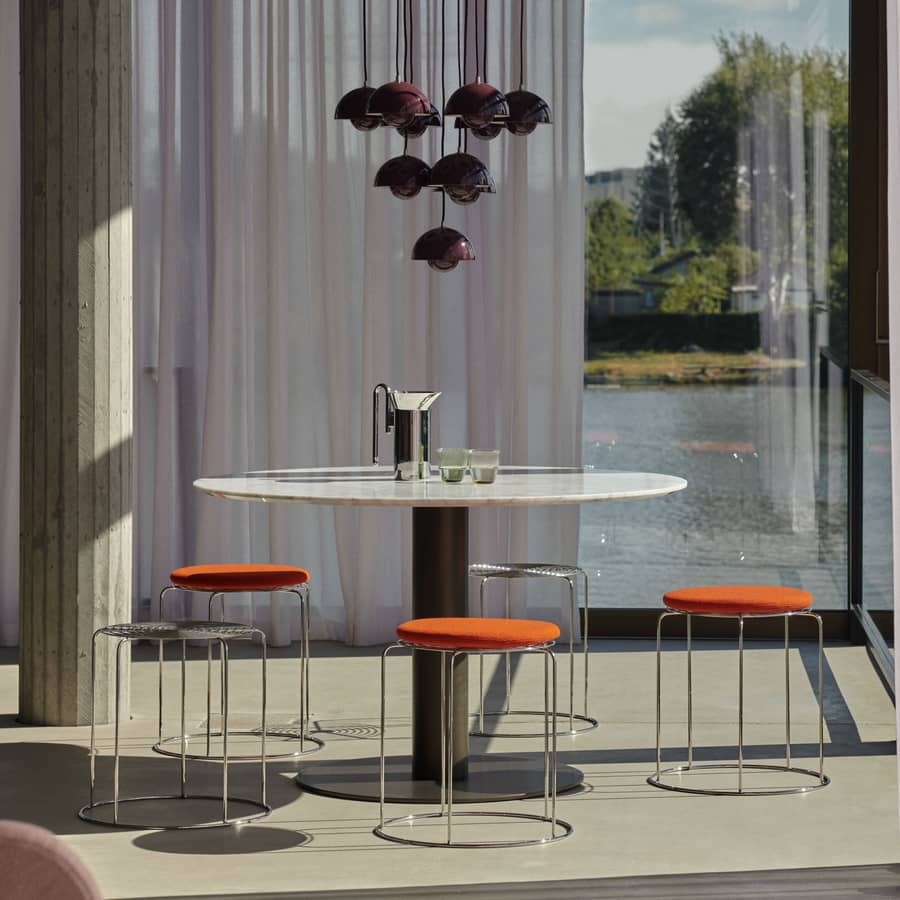
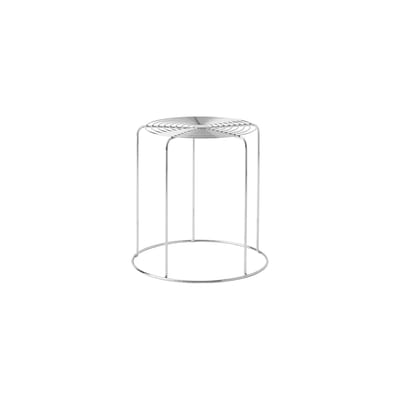
Over the years, &Tradition has enriched its collection with iconic pieces by the designer such as the Topan Lamp and, more recently, the Wire Stool, the designer’s first piece of furniture to be published by the brand. Designed to provide a lightweight, modular and easy-to-store seat, the Wire Stool bears witness to Panton’s ability to explore materials, in this case wire, with creativity and rigor.
Today, the designer’s legacy at &Tradition remains timeless, joyful and resolutely contemporary.
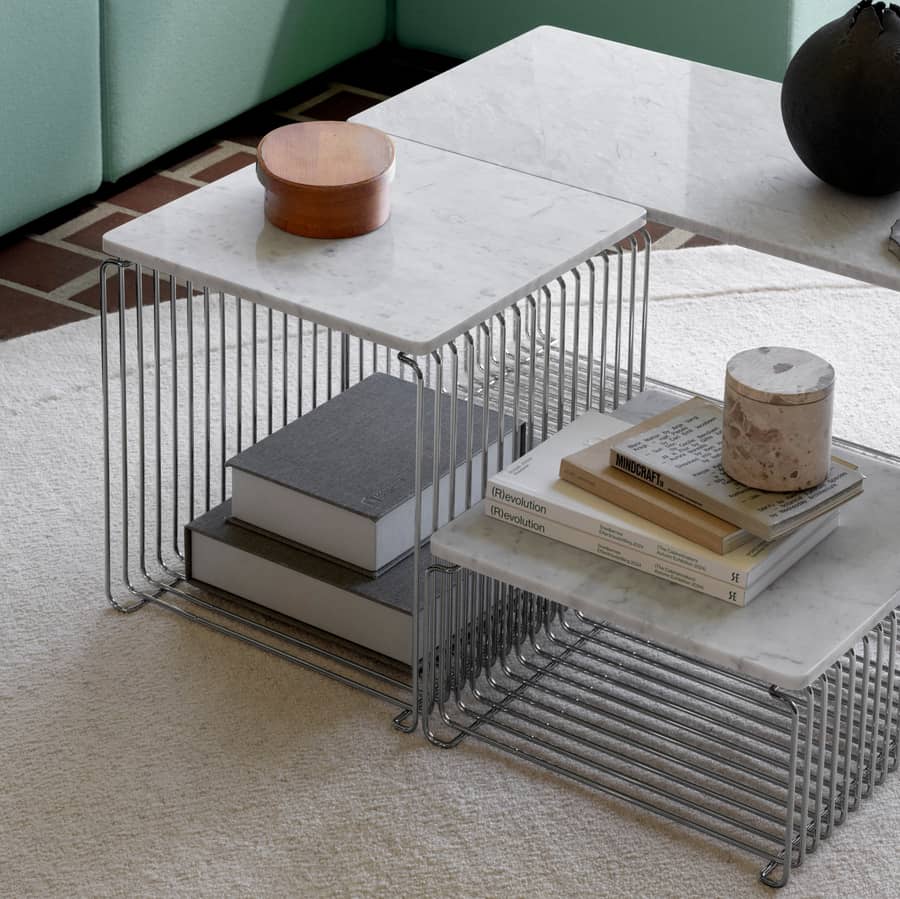
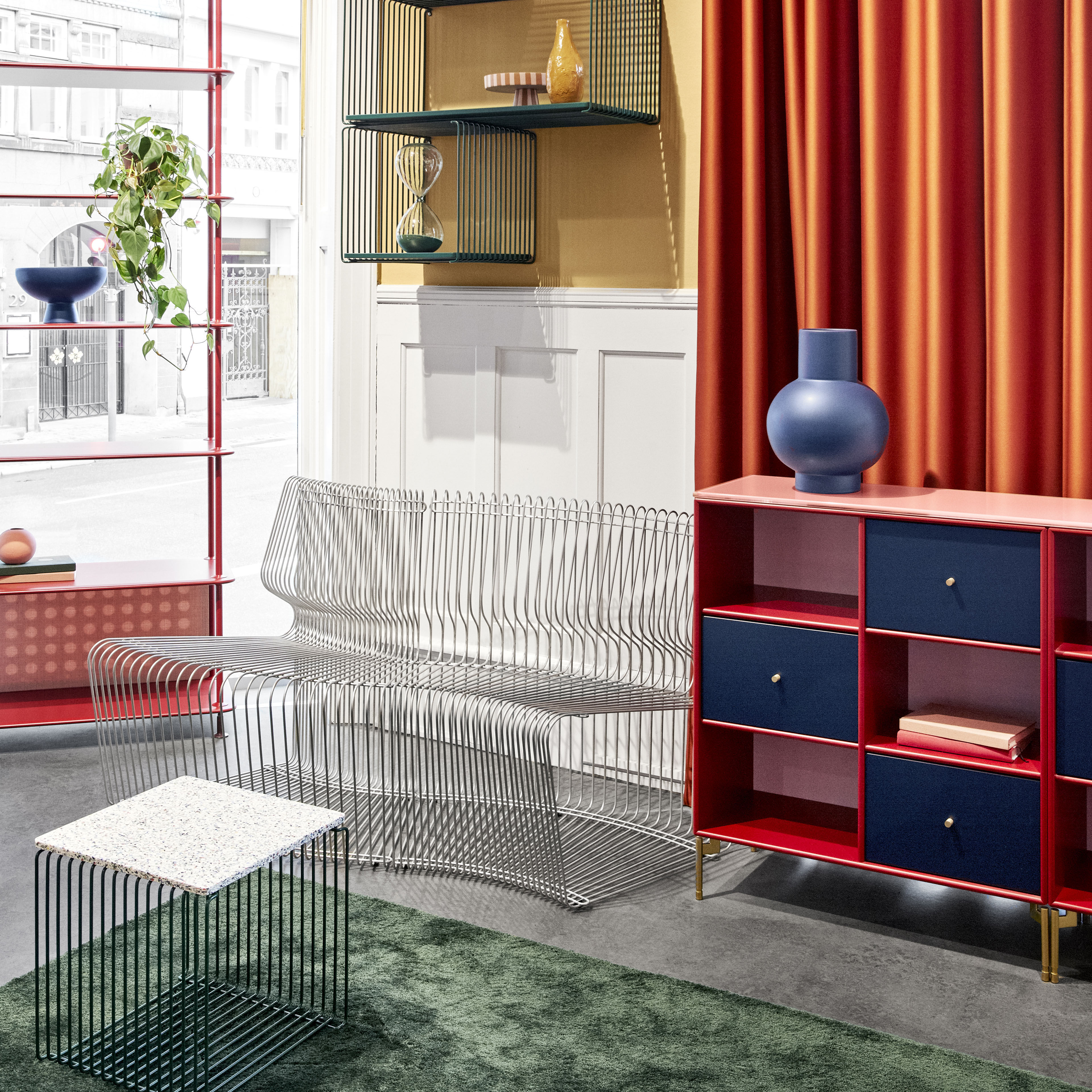
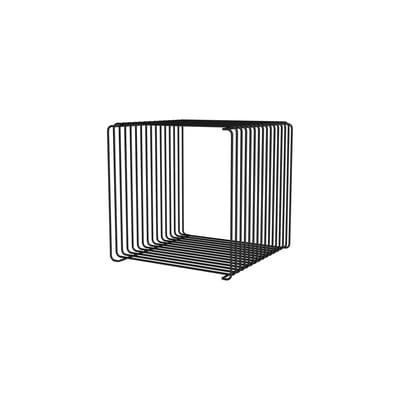
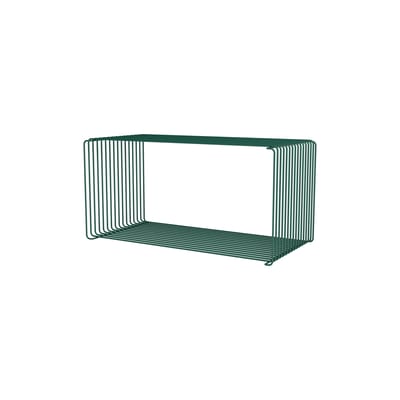
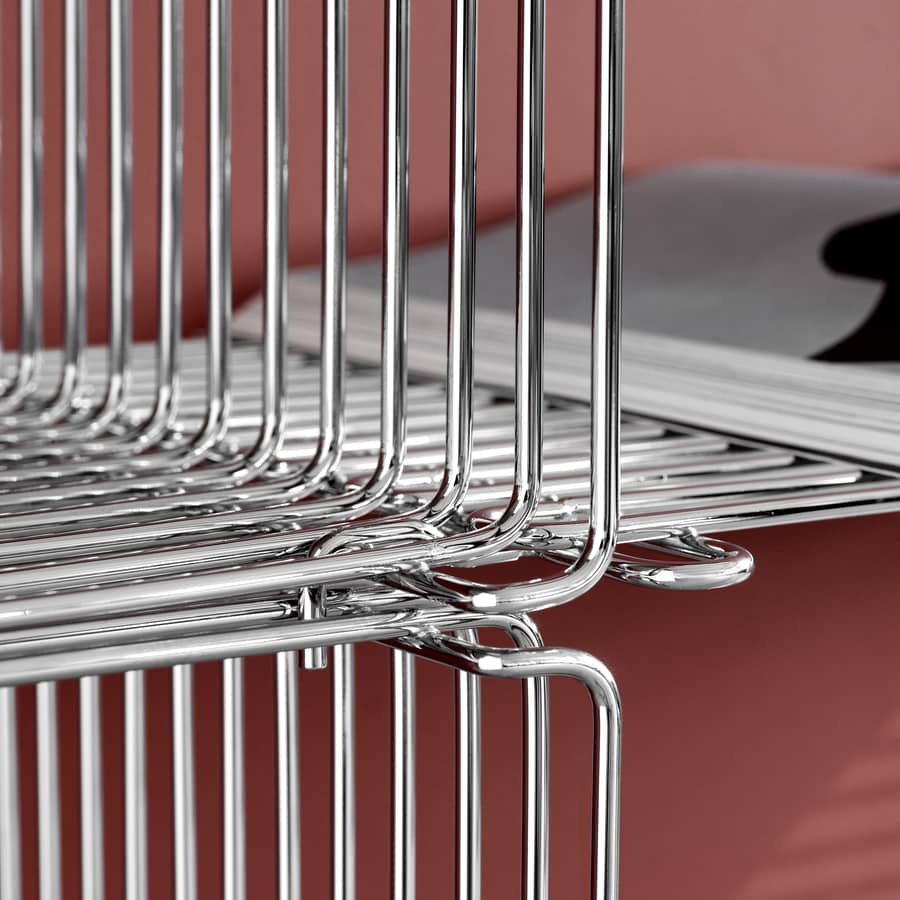
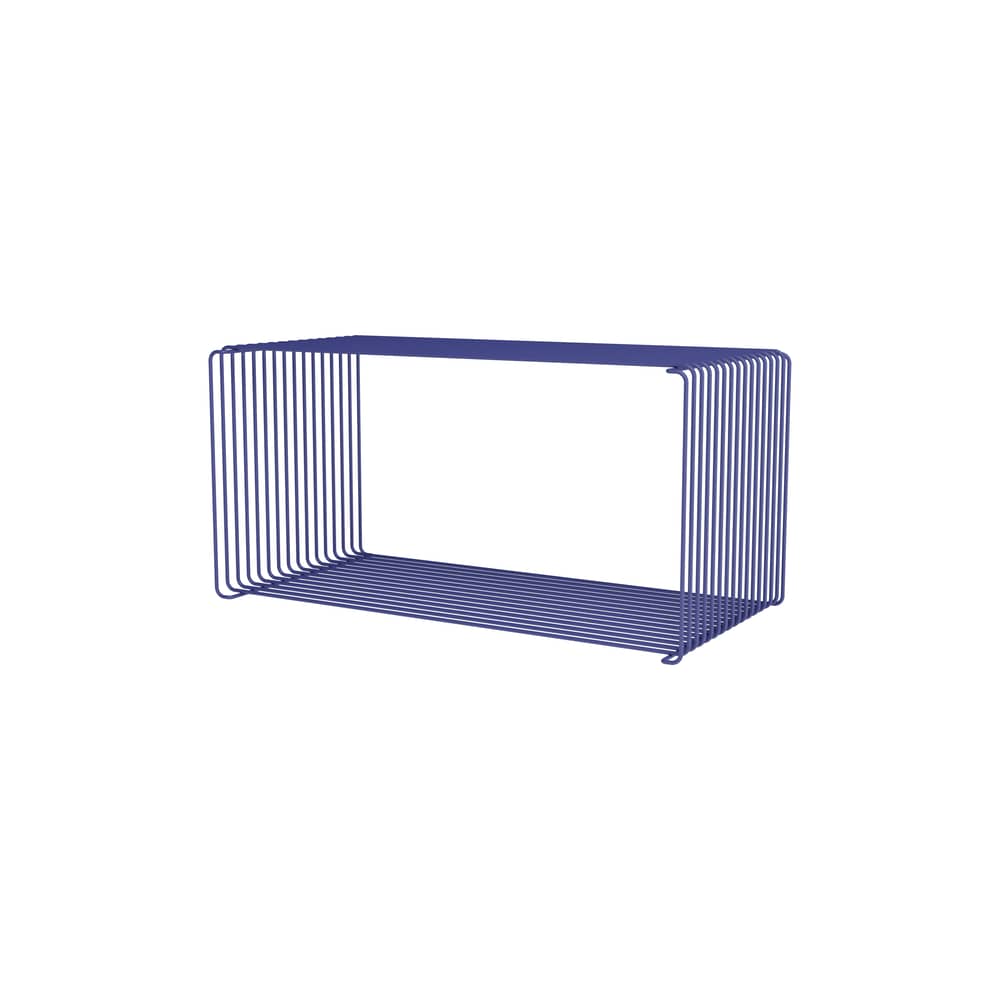
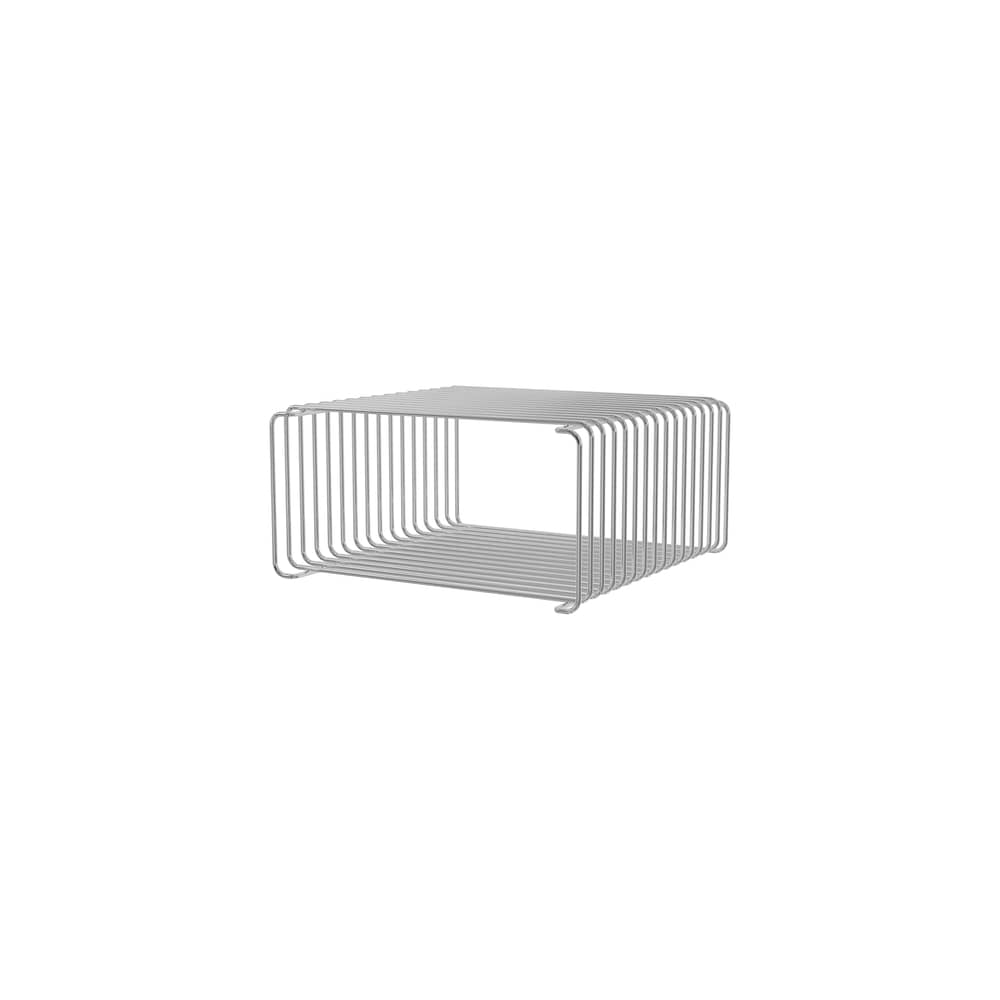
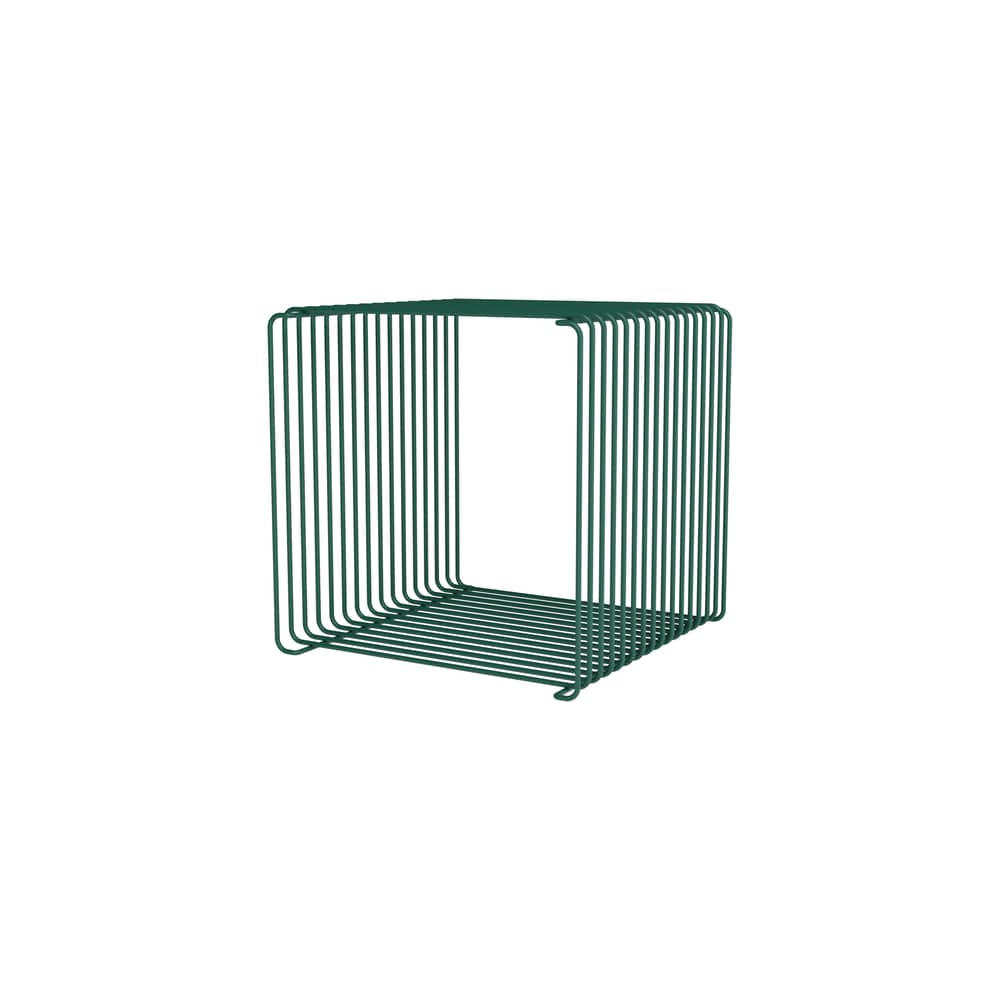
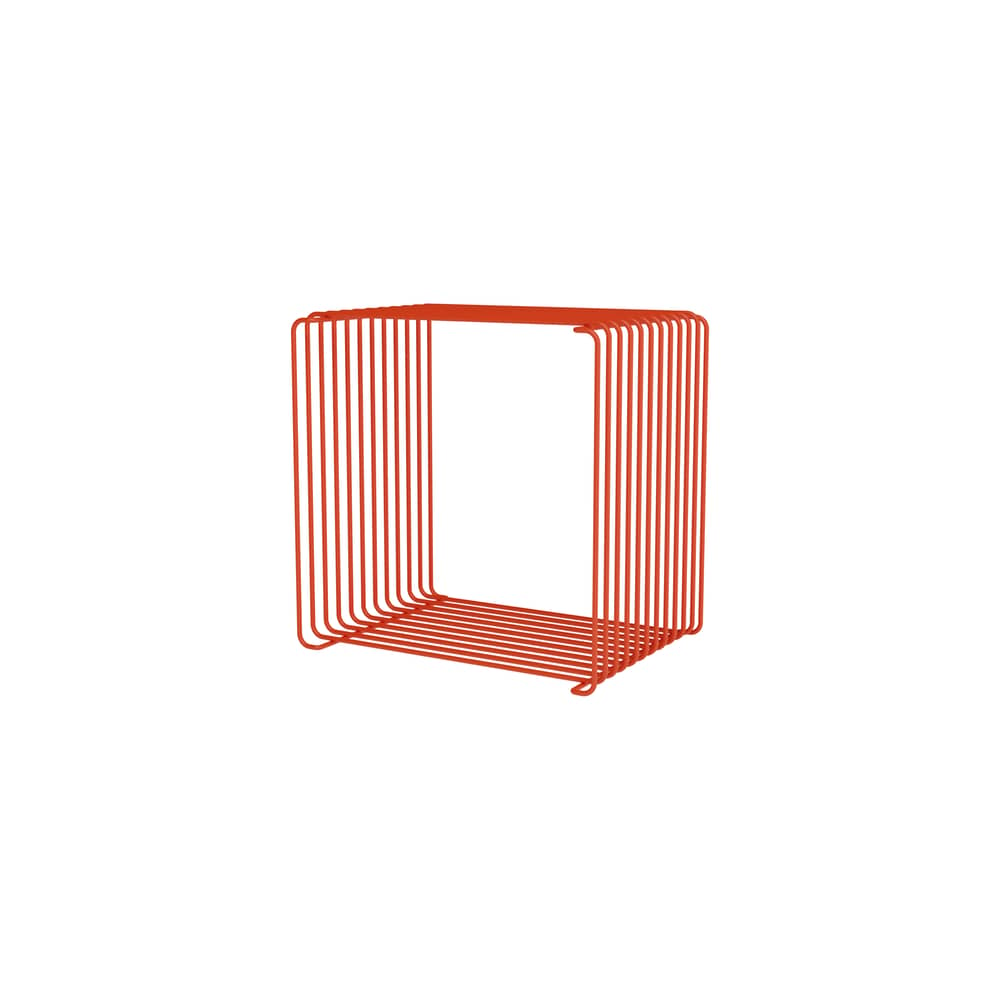
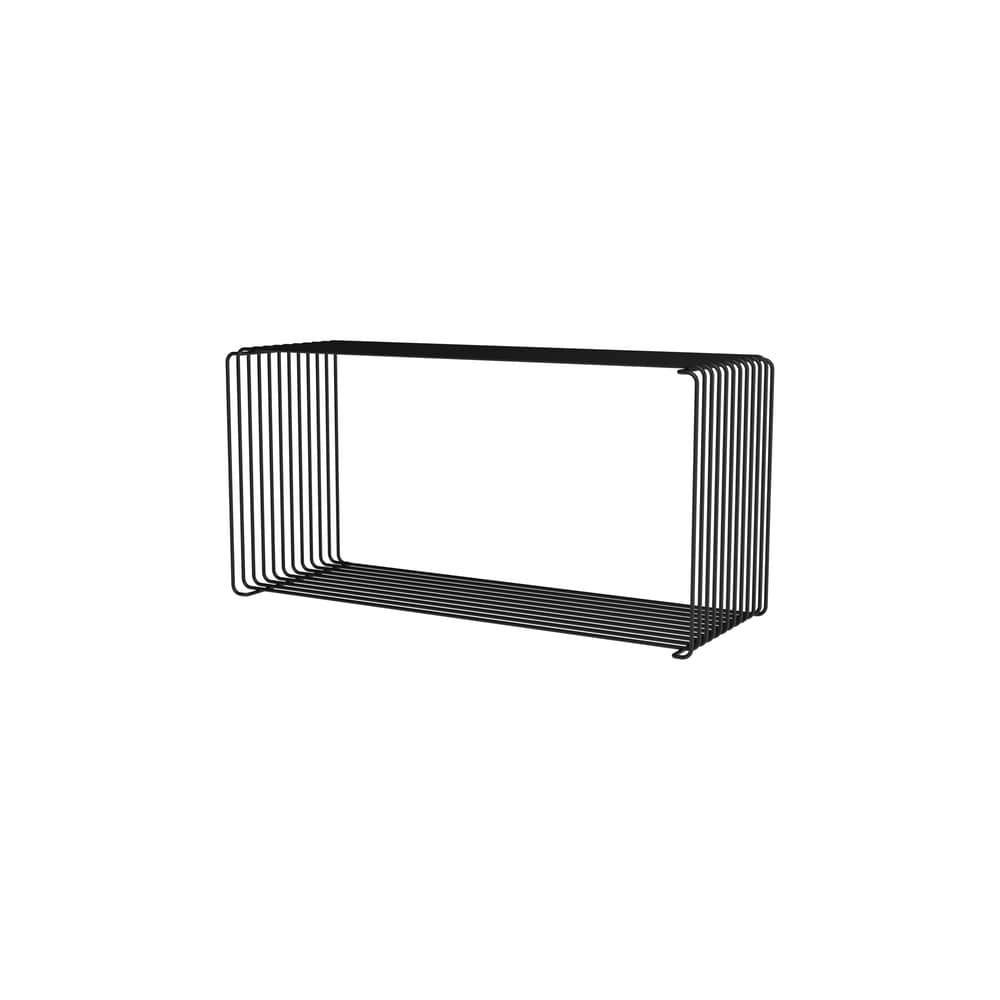
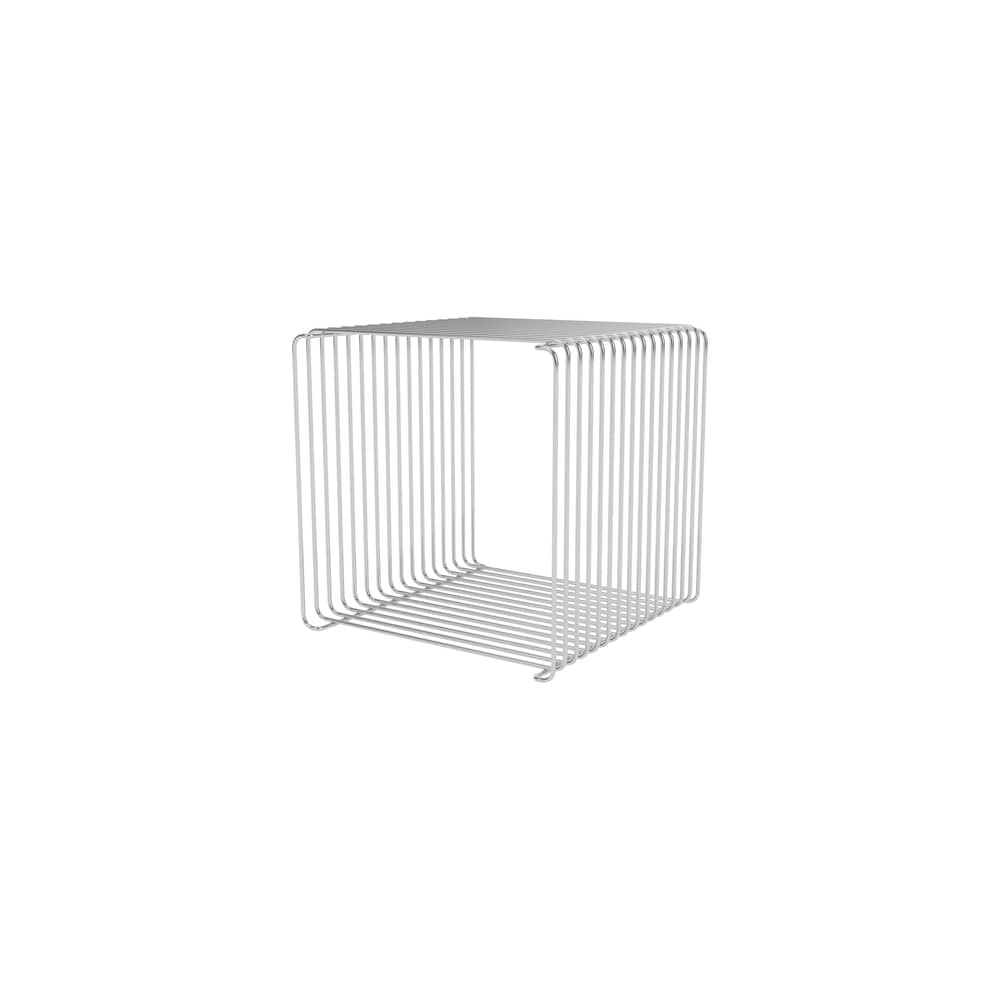
When Verner Panton designed the Panton Wire System in 1971, he transformed the traditional idea of the shelf into a modular, lightweight and sculptural structure. The system consists of 5 mm wire modules, available in various depths and finishes. The modules can be used singly or in combination, on the floor, suspended from the wall or even as room dividers, offering almost infinite freedom of arrangement.
Panton’s approach exemplifies his method: formal simplicity, logic and functionality, while letting color interact with the surrounding space. The new variants developed by Montana, including additional trays and shelves, allow for greater customization, giving the system an asymmetrical, dynamic appearance, true to the designer’s pioneering spirit.
Panton’s collaboration with Montana dates back to 1956, when he met Montana founder Peter J. Lassen. From this friendship sprang acreative dialogue around form, color and function, inspiring Montana’s iconic color palette.
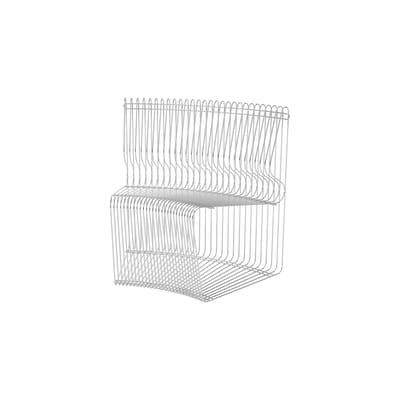
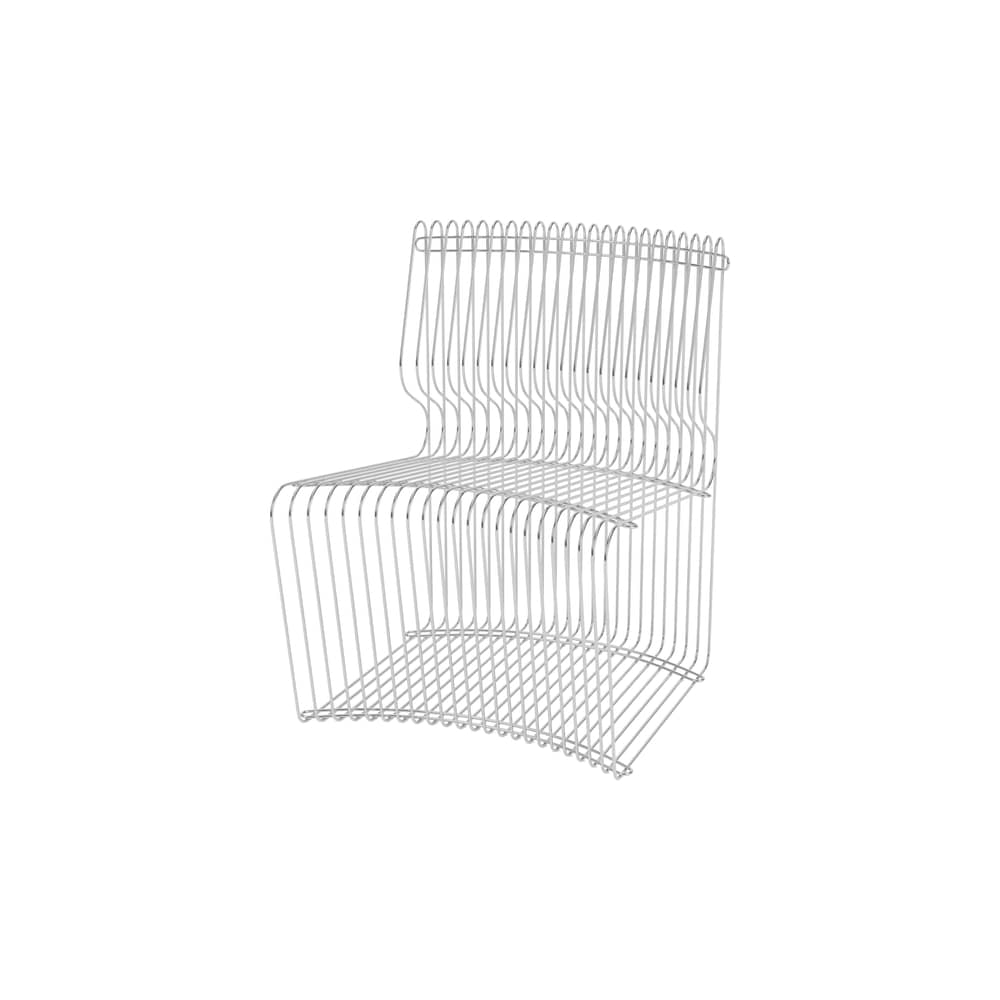
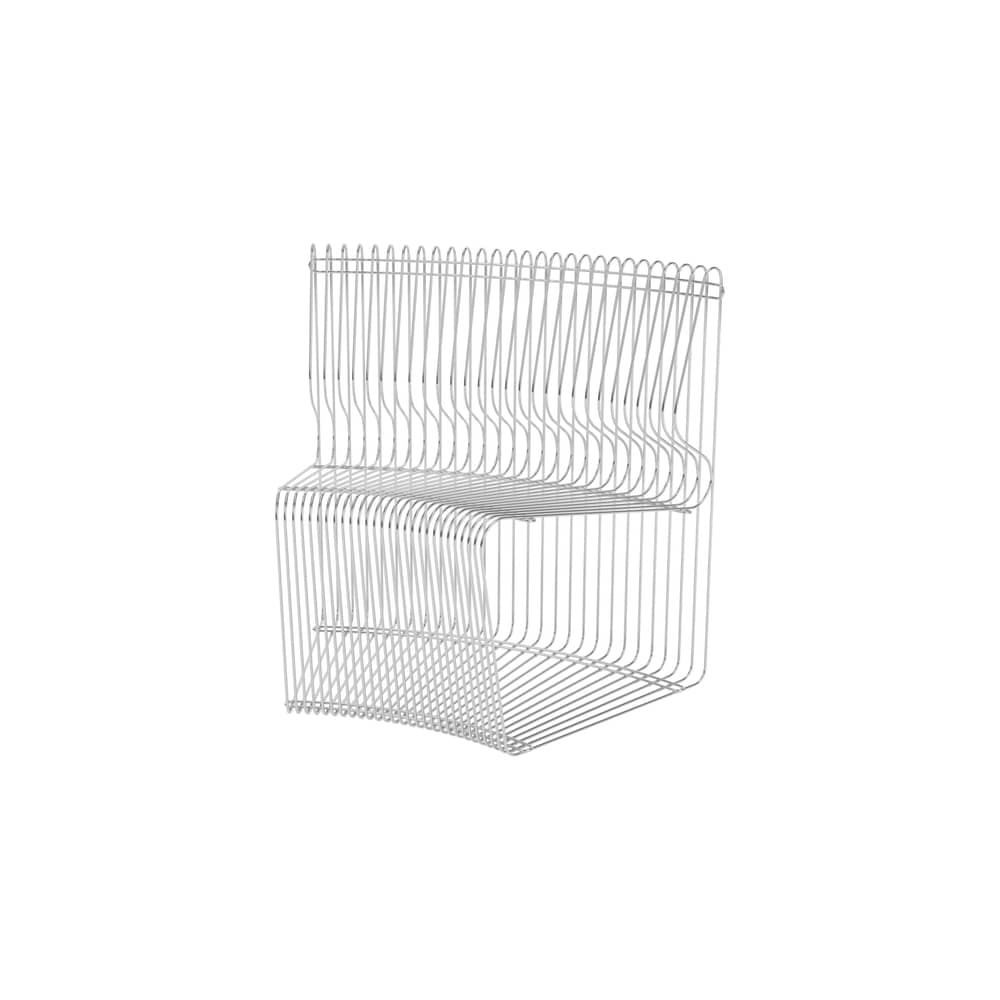
Even today, the original Panton Wire and the Pantonova armchair are still very much in vogue in today’s interiors.
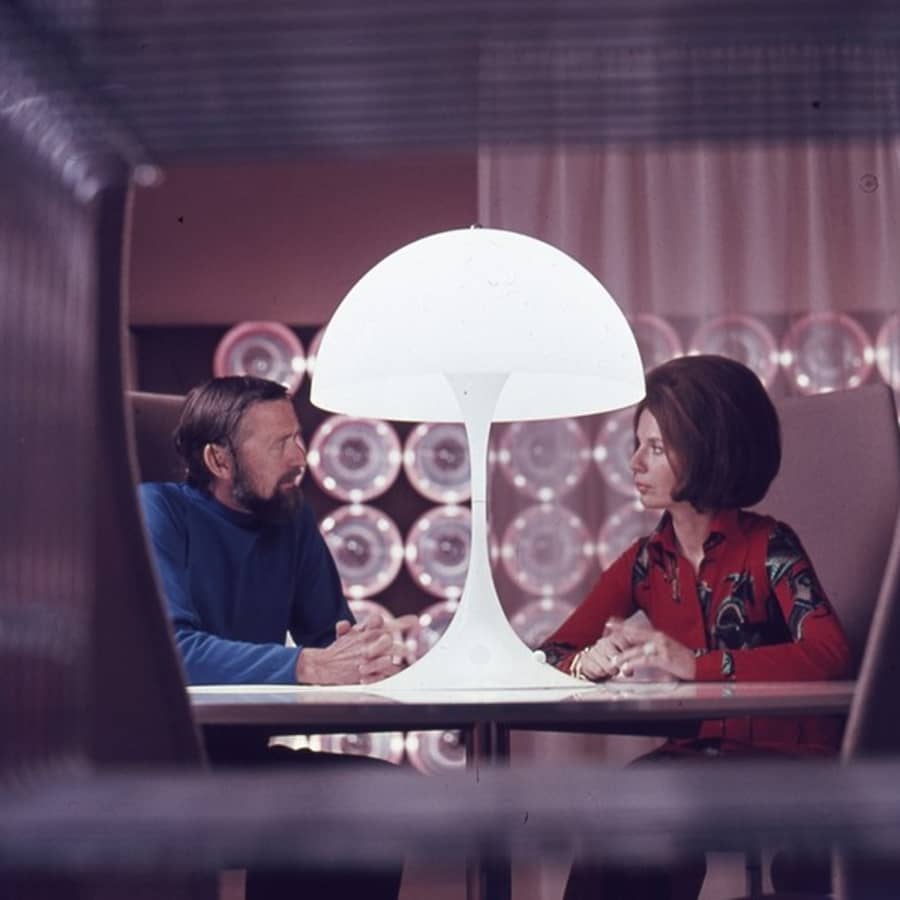
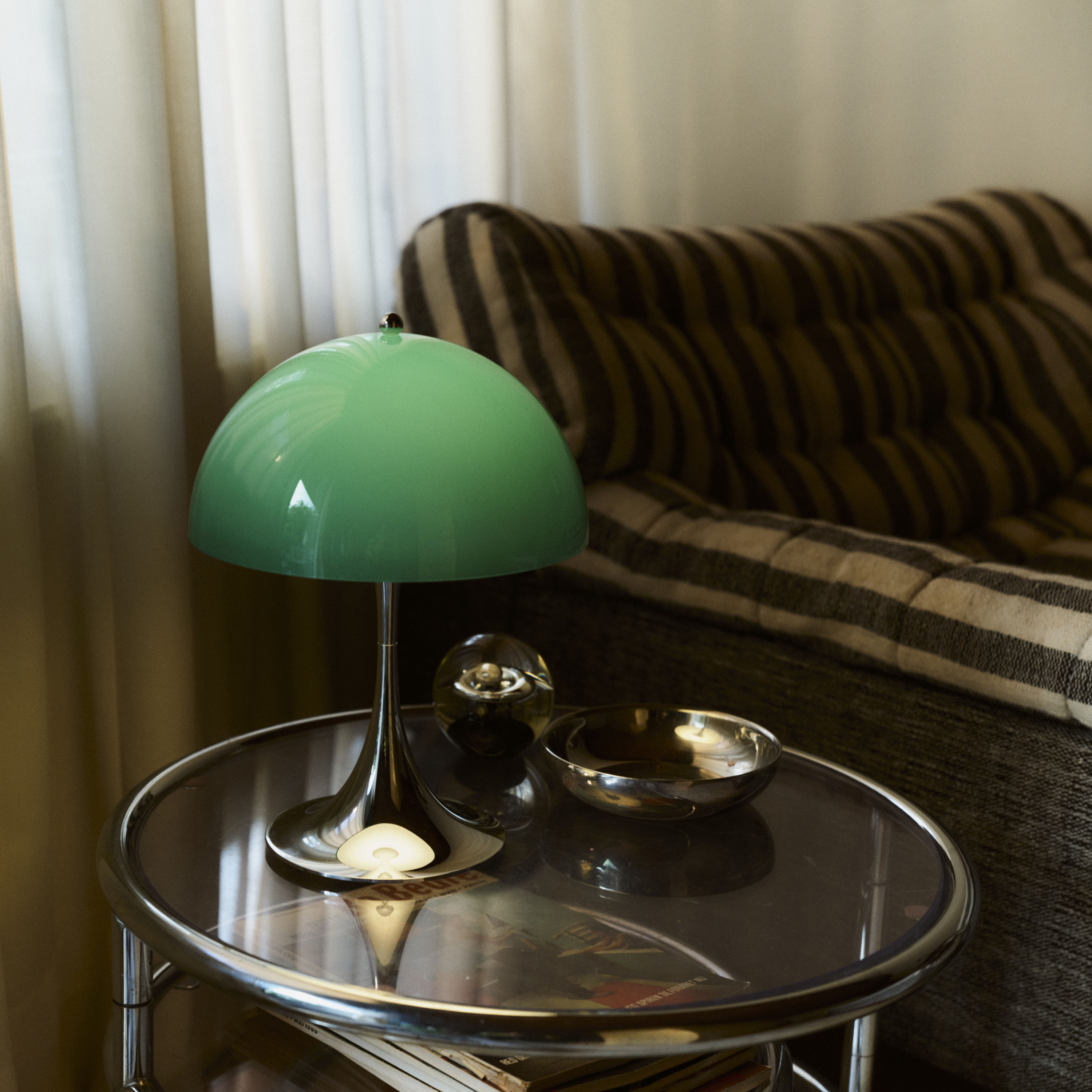
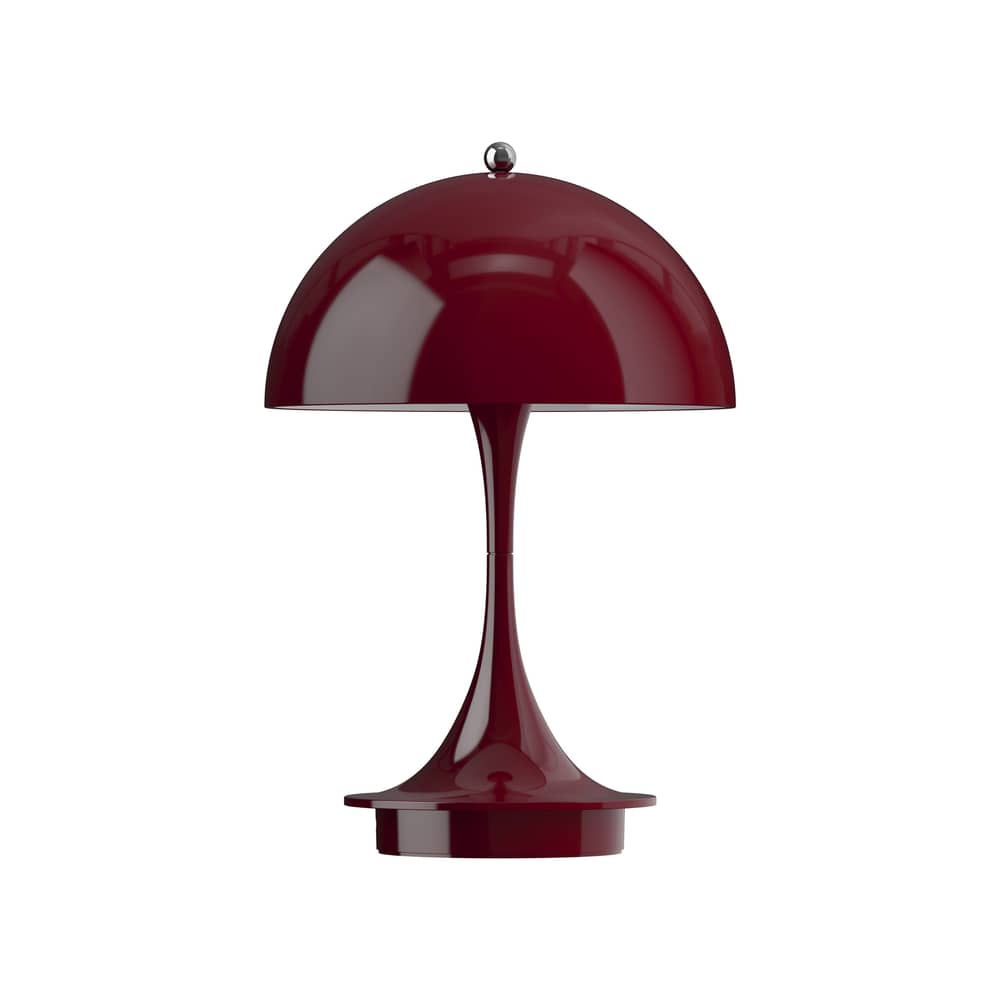
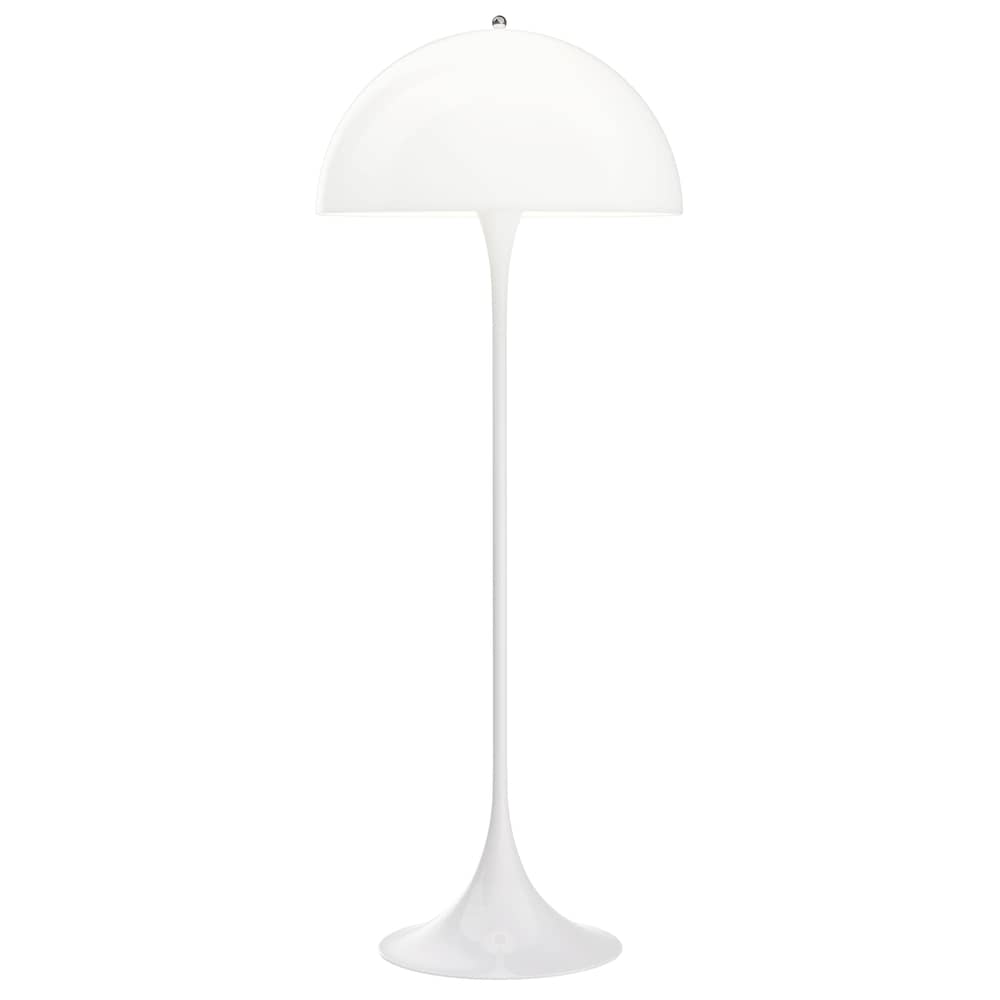
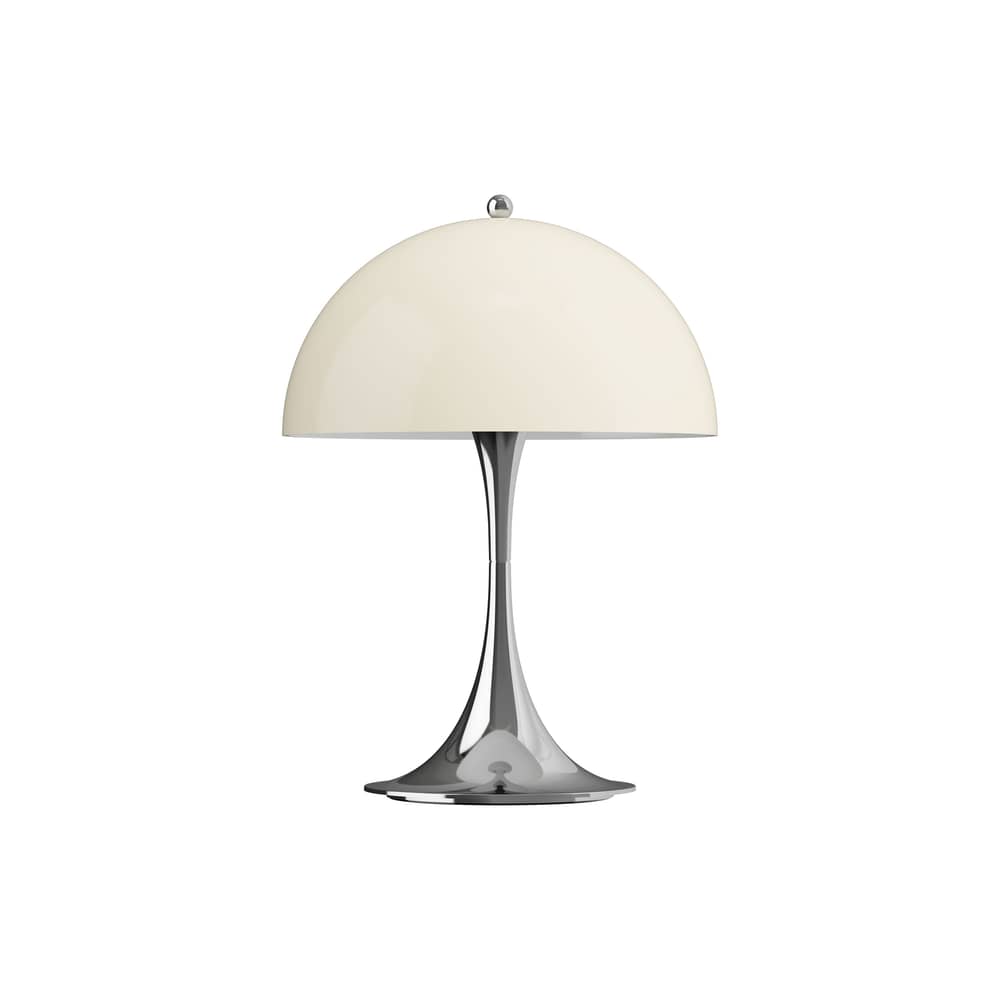
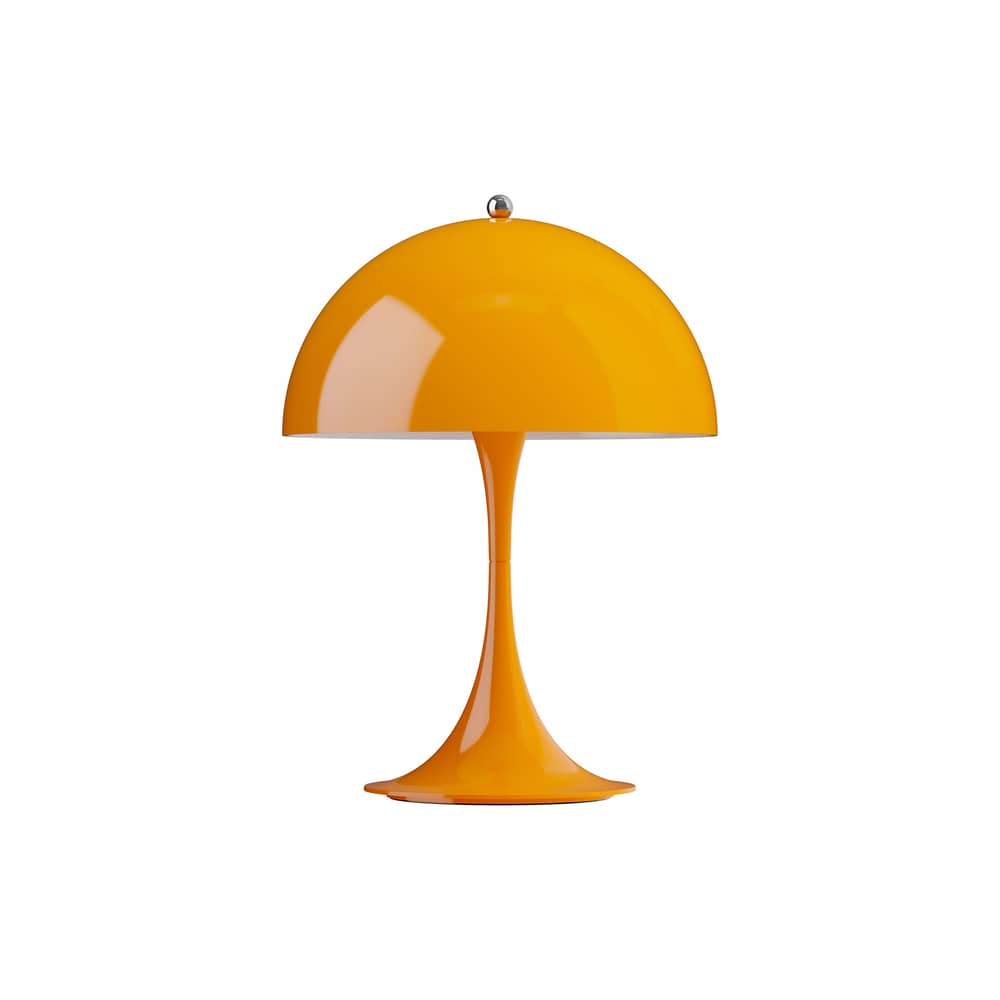
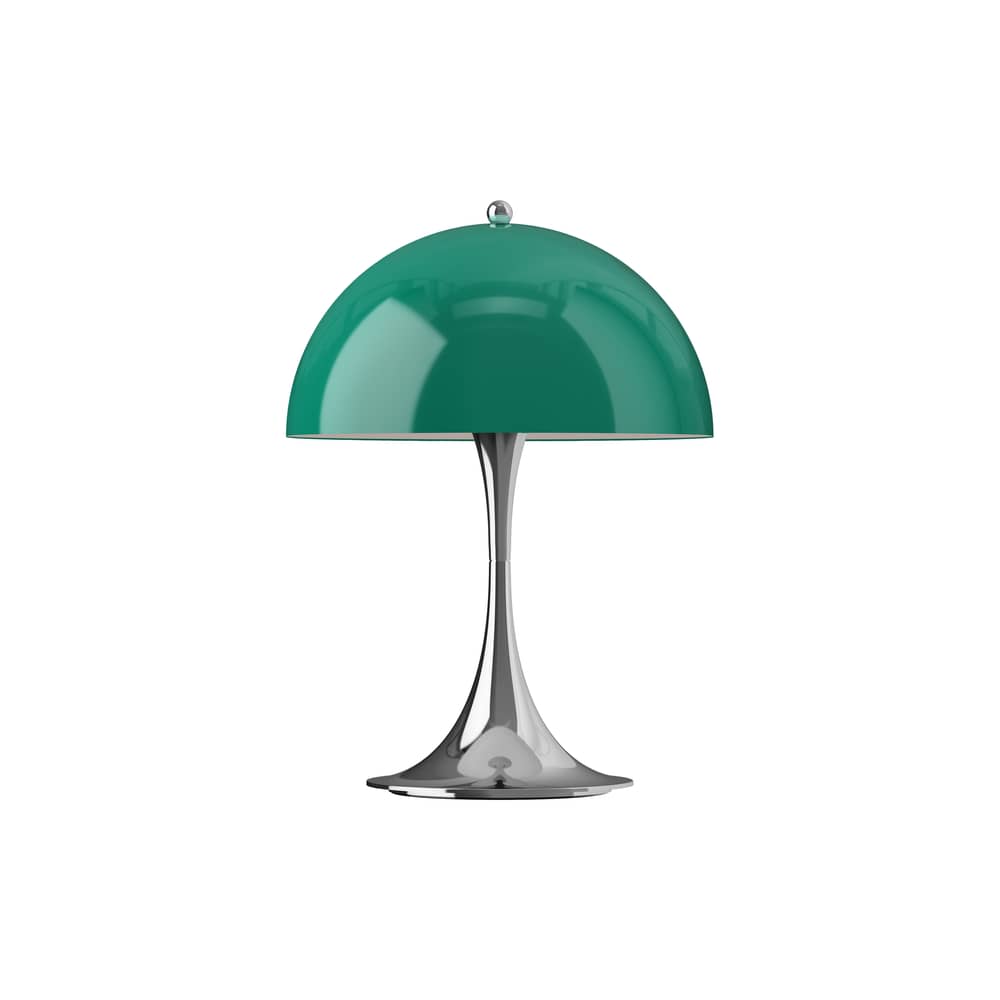
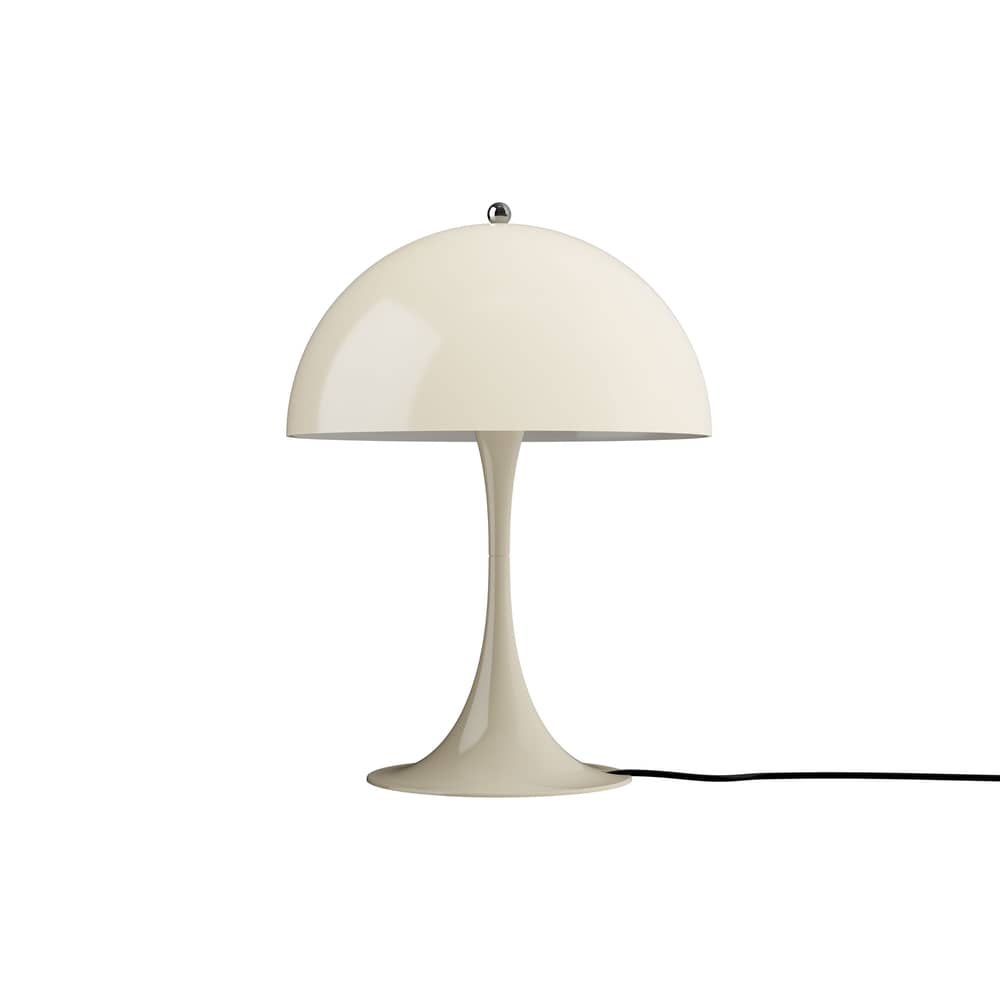
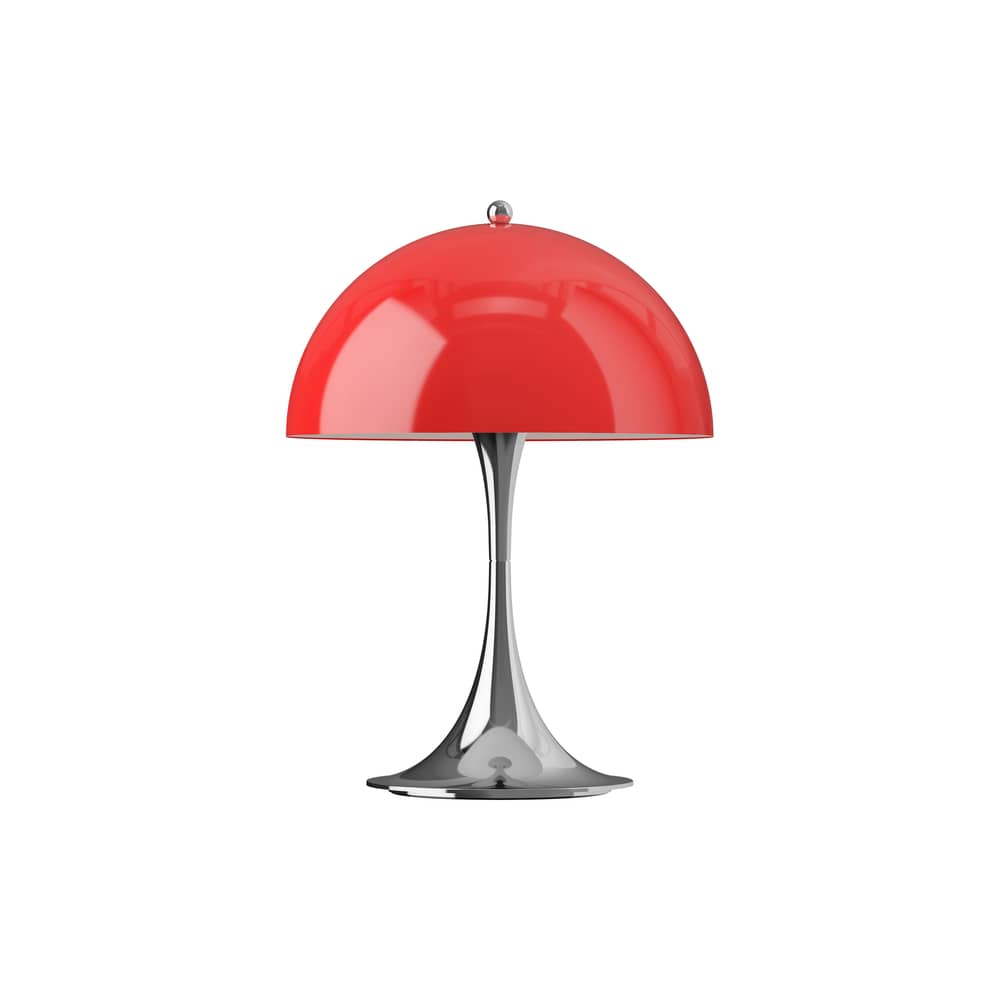
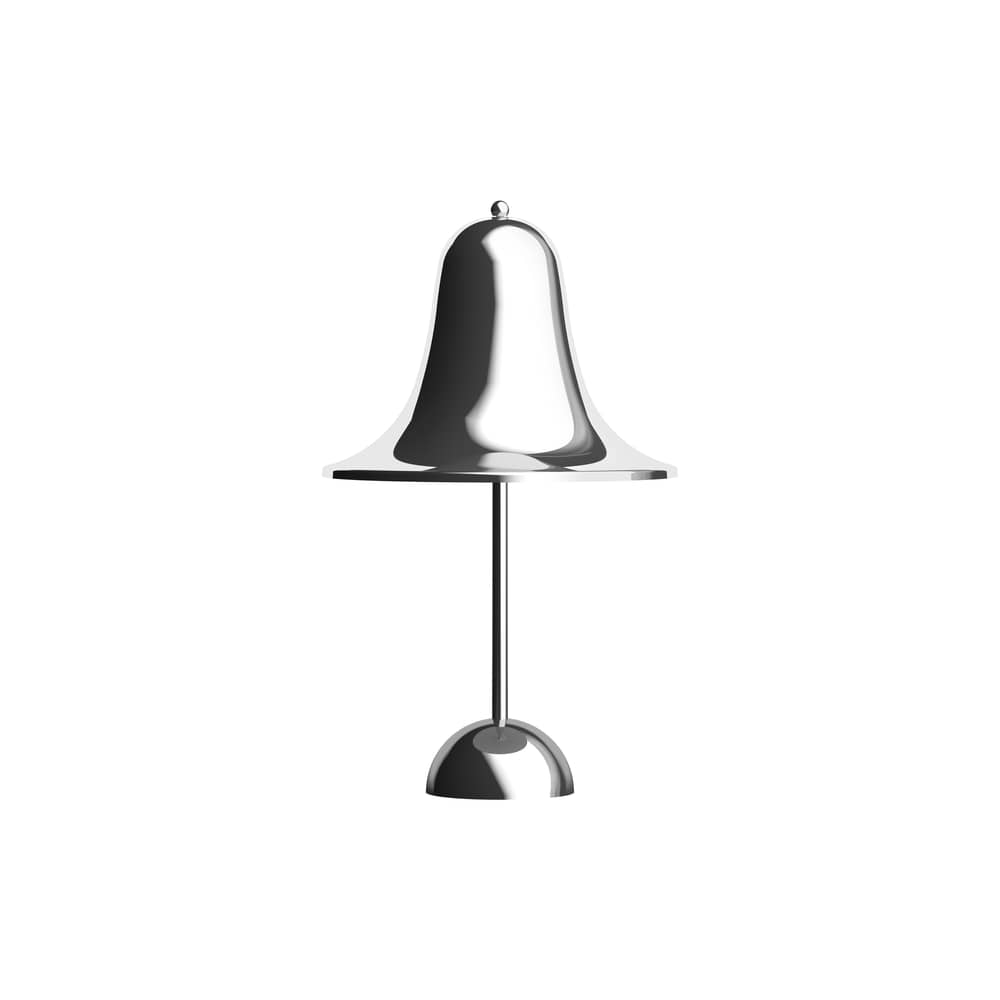
In 1971, Verner Panton collaborated with Louis Poulsen to create the legendary Panthella, a lamp that has become emblematic of Danish design. A bold visionary, Verner Panton sought to transform everyday environments into cheerful, colorful spaces, in which light contributes to emotional well-being.
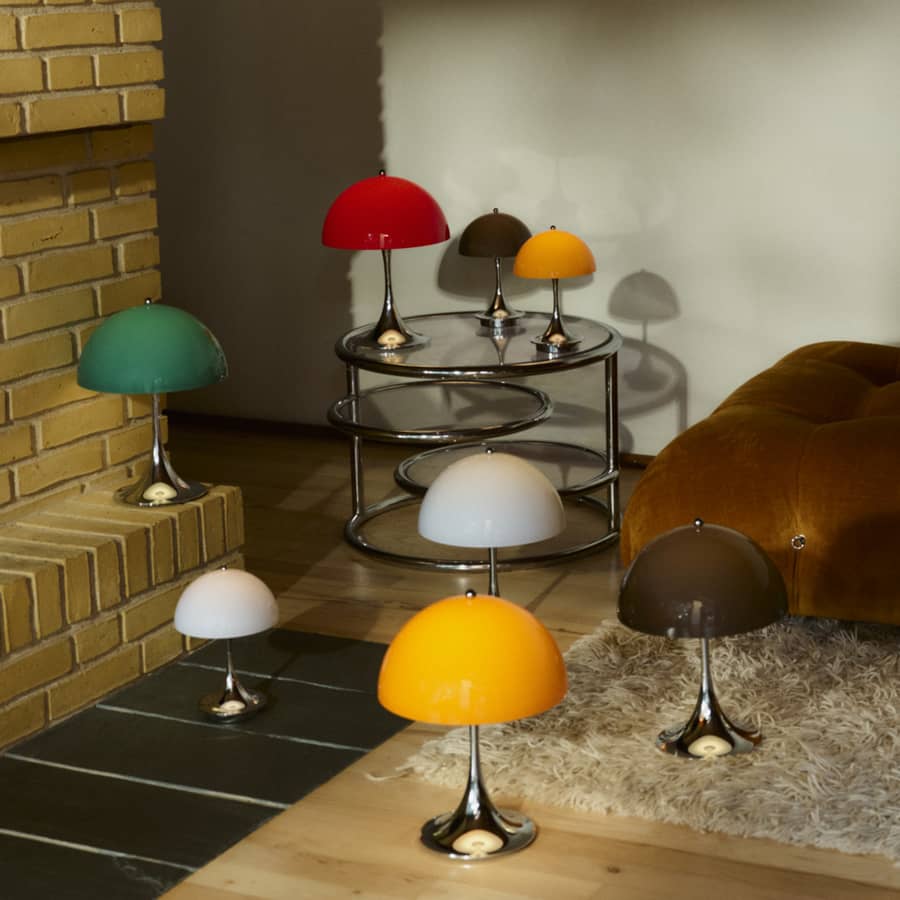
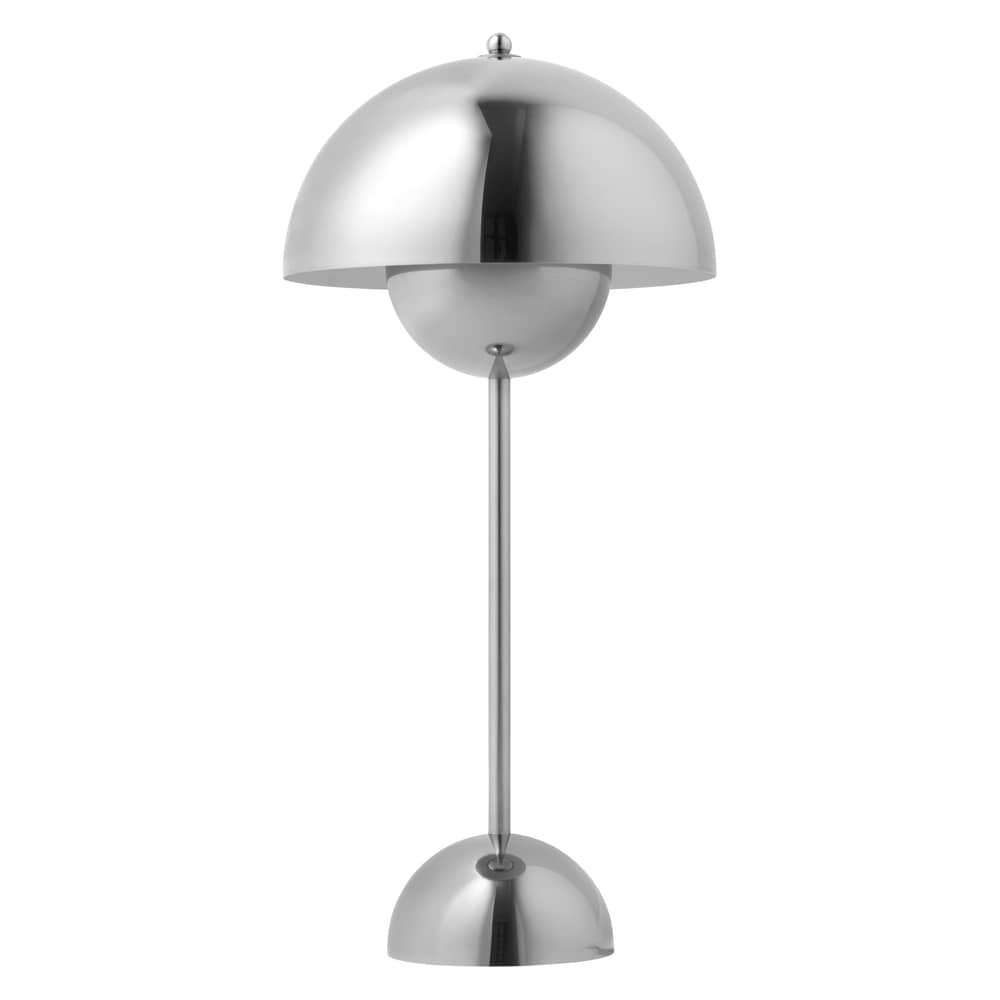
The Panthella, with its chrome tulip base and opaline acrylic hemispherical shade, diffuses soft light upwards and downwards, playing with the transparency of the materials and the reflection of light to create a warm, enveloping atmosphere.
This organic, sculptural and instantly recognizable form illustrates Panton’s radical approach to combining innovation, functionality and emotion.
Today, the Panthella lamp is available in a multitude of colors, as a rechargeable cordless version or as a floor lamp. True to the designer’s intention, the lamp becomes both a decorative object and a subtle lighting tool, capable of dressing up and transforming any space.
Thanks to Louis Poulsen, the Panthella has gone beyond the stage of a creative idea to become a design icon.
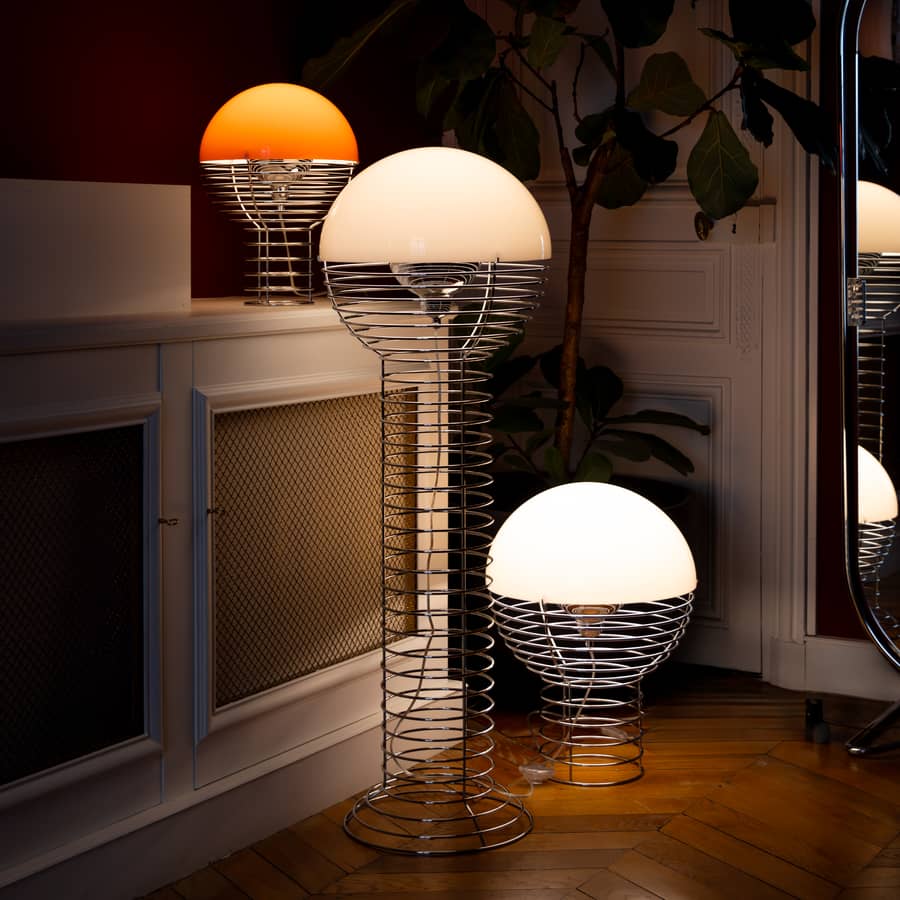
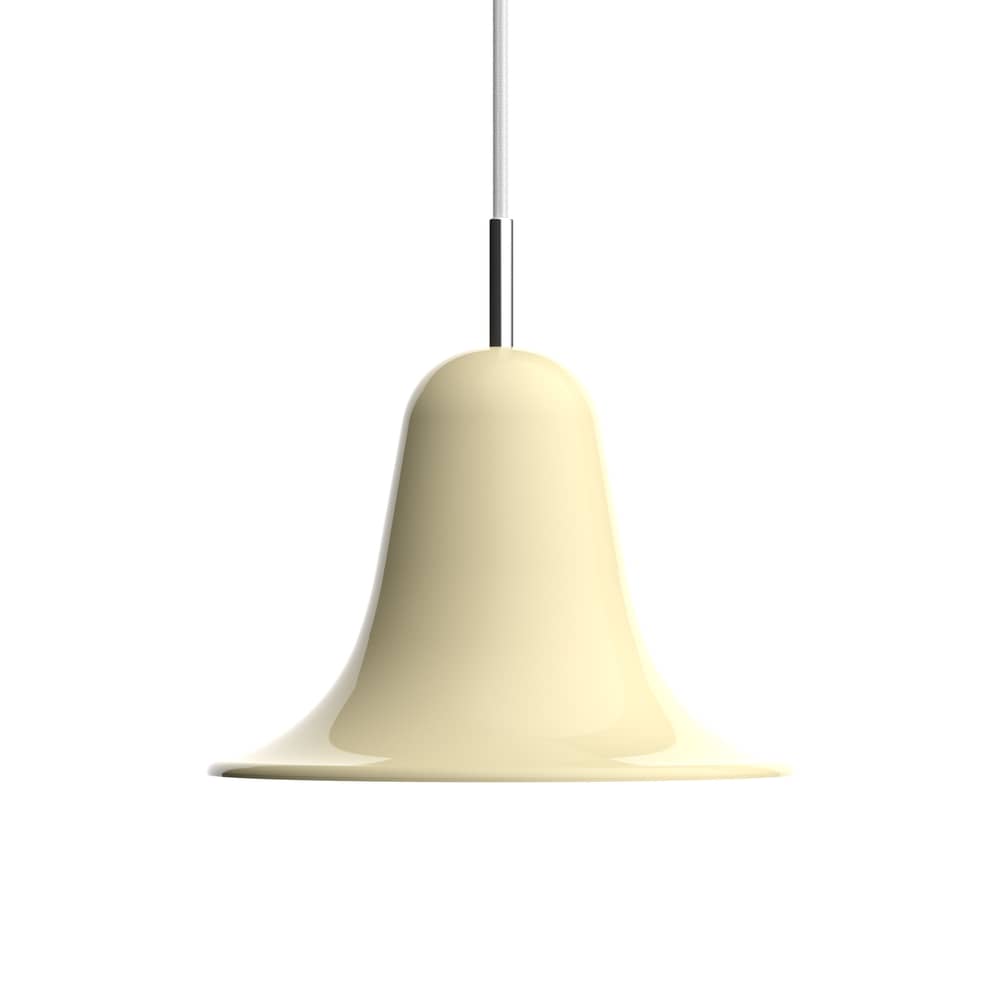
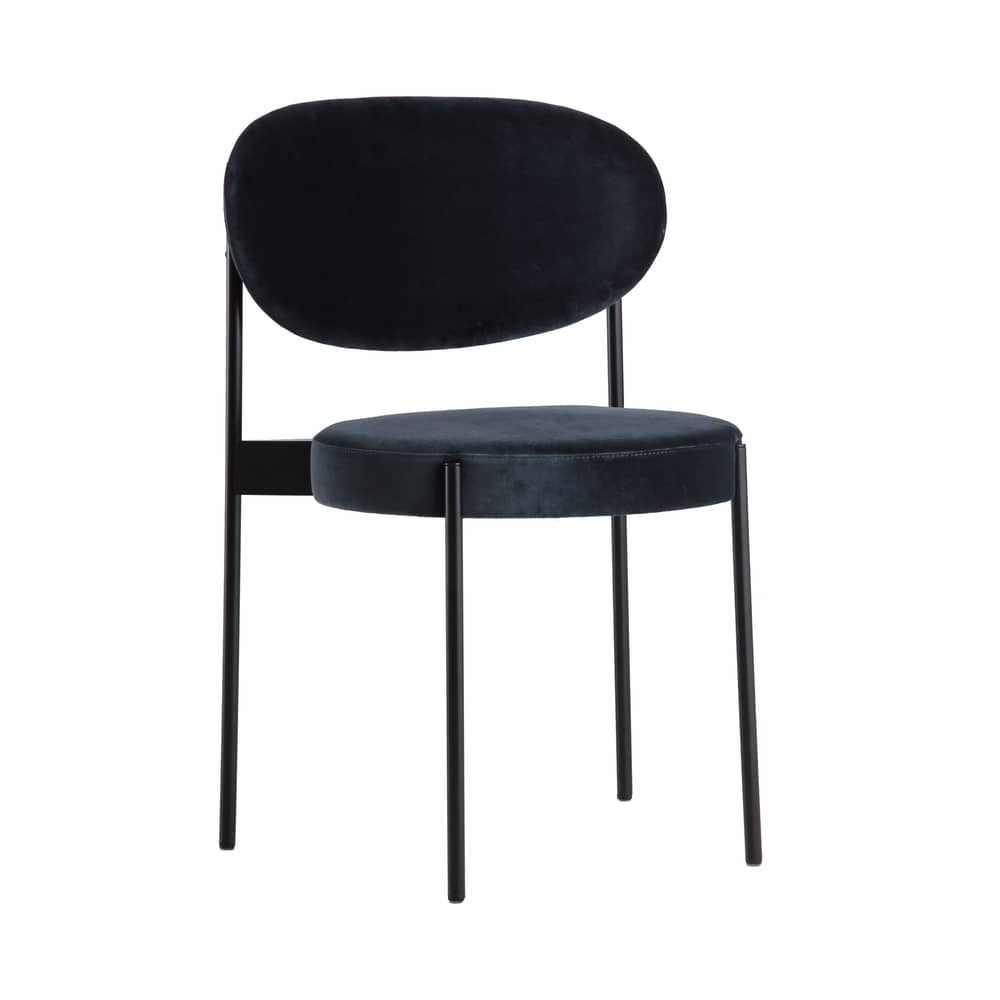
Verpan is the brand that perpetuates the creative legacy of Verner Panton, faithfully reissuing his iconic works. Each creation is produced in strict accordance with the original models, using materials and finishes chosen by the designer himself.
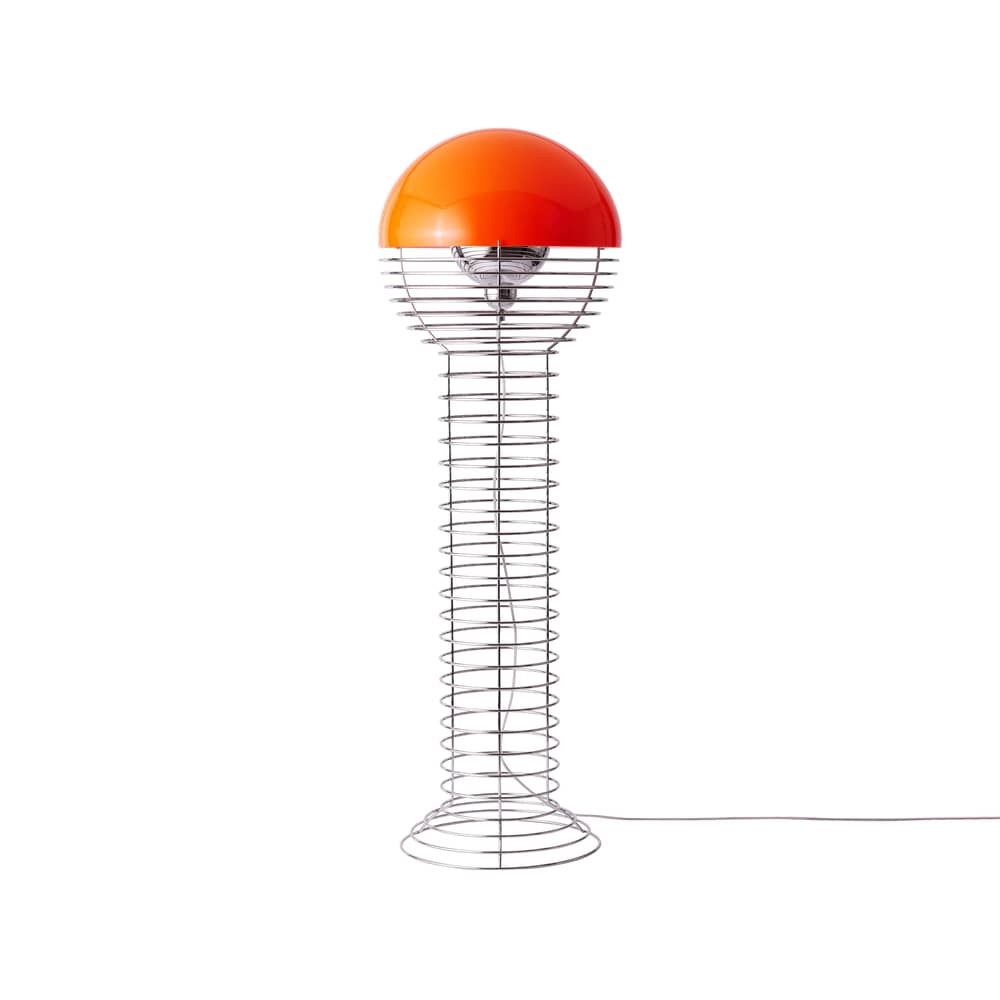
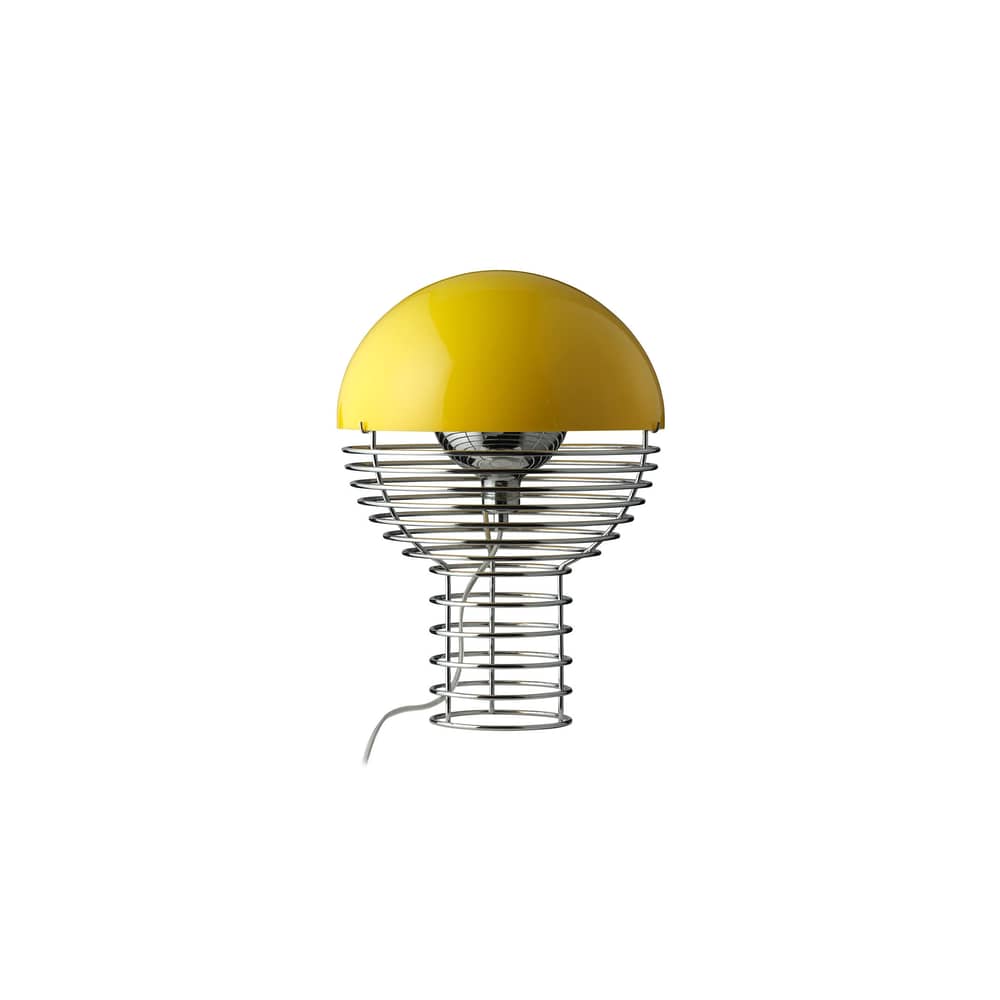
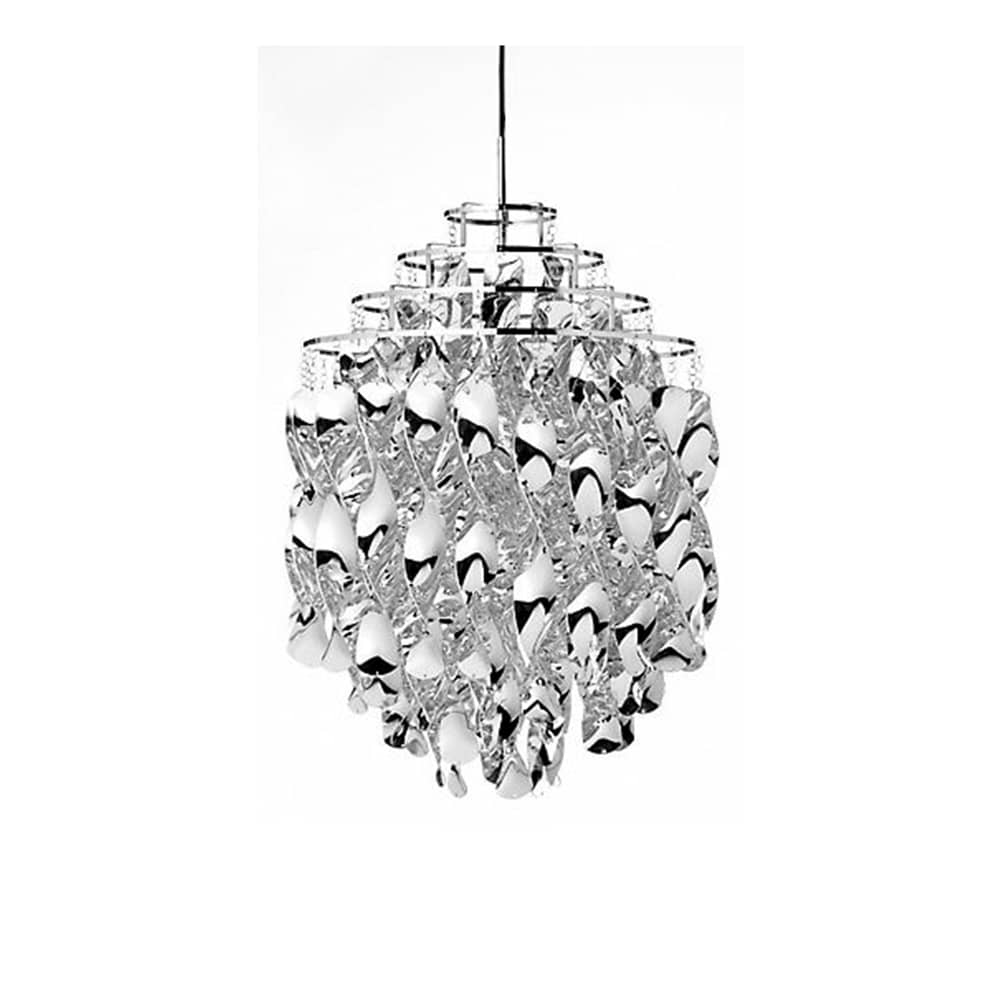
The Verpan collection brings together both iconic pieces – such as the Wire Lamp and its play of repetition and stacking – and recently unearthed works, enabling us to rediscover the bold, experimental spirit of Verner Panton.
Verpan’s approach goes beyond mere reproduction:each object reflects the colorful personality and radical style of the 60s and 70s, while retaining a timeless modernity and relevance.
The pieces are accompanied by a certificate of authenticity and the designer’s signature, guaranteeing their provenance and quality. Verpan brings the vibrant, visionary world of Verner Panton back to life.
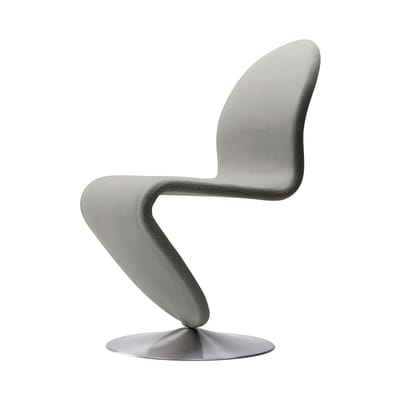
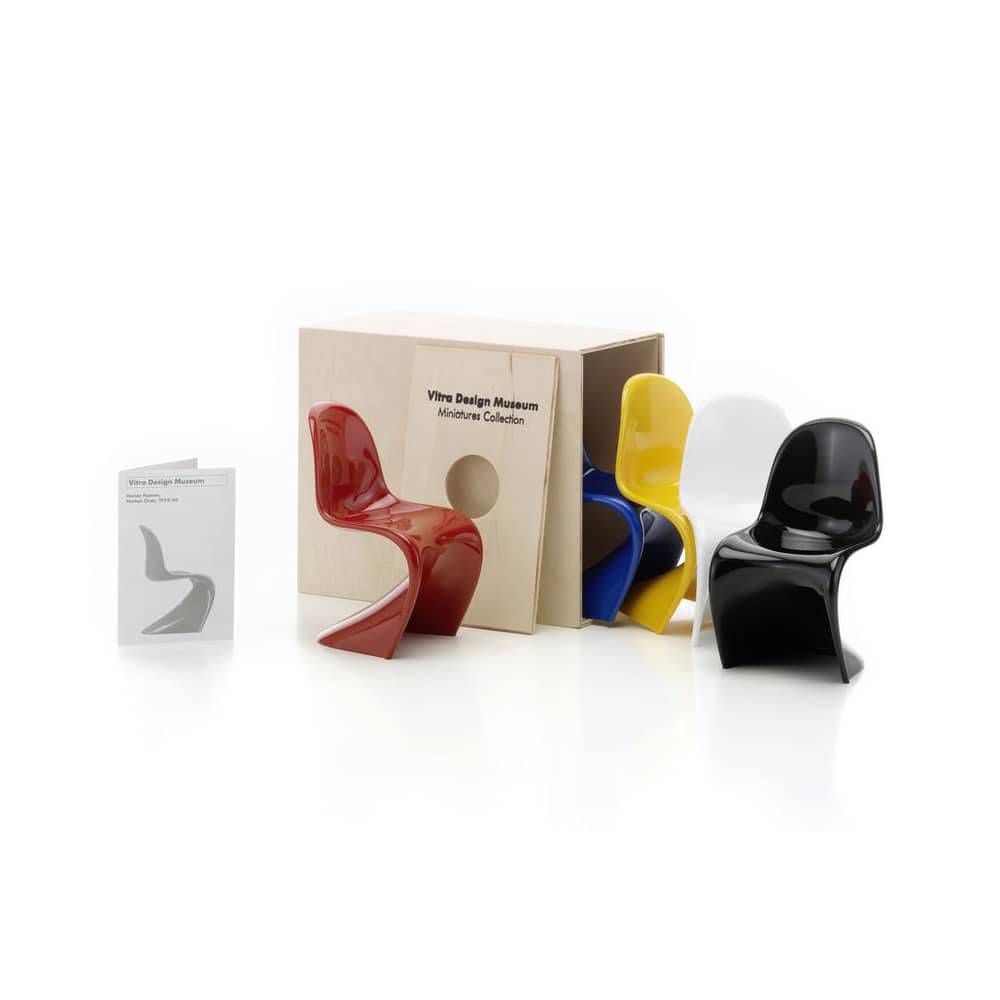
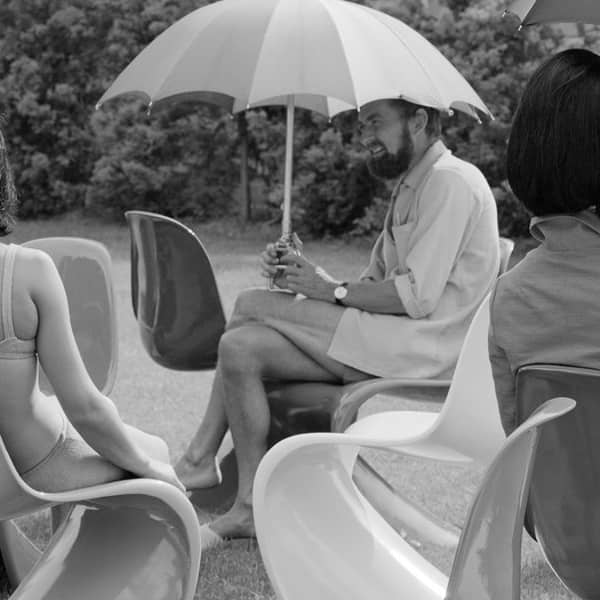
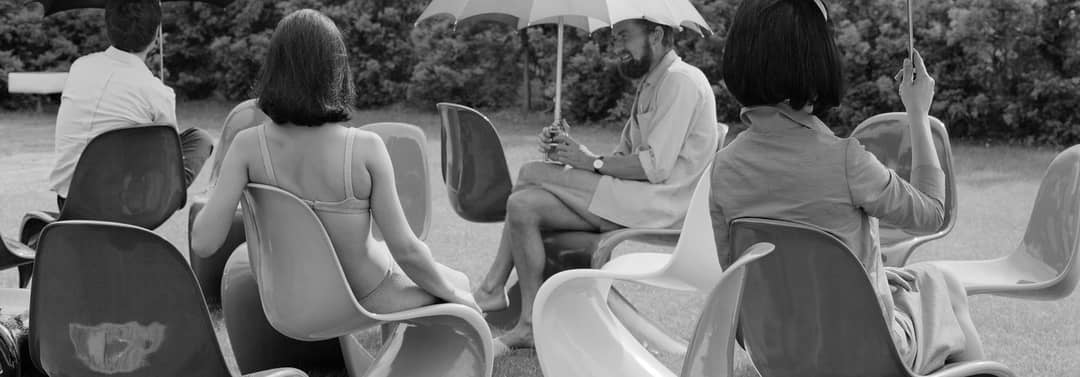
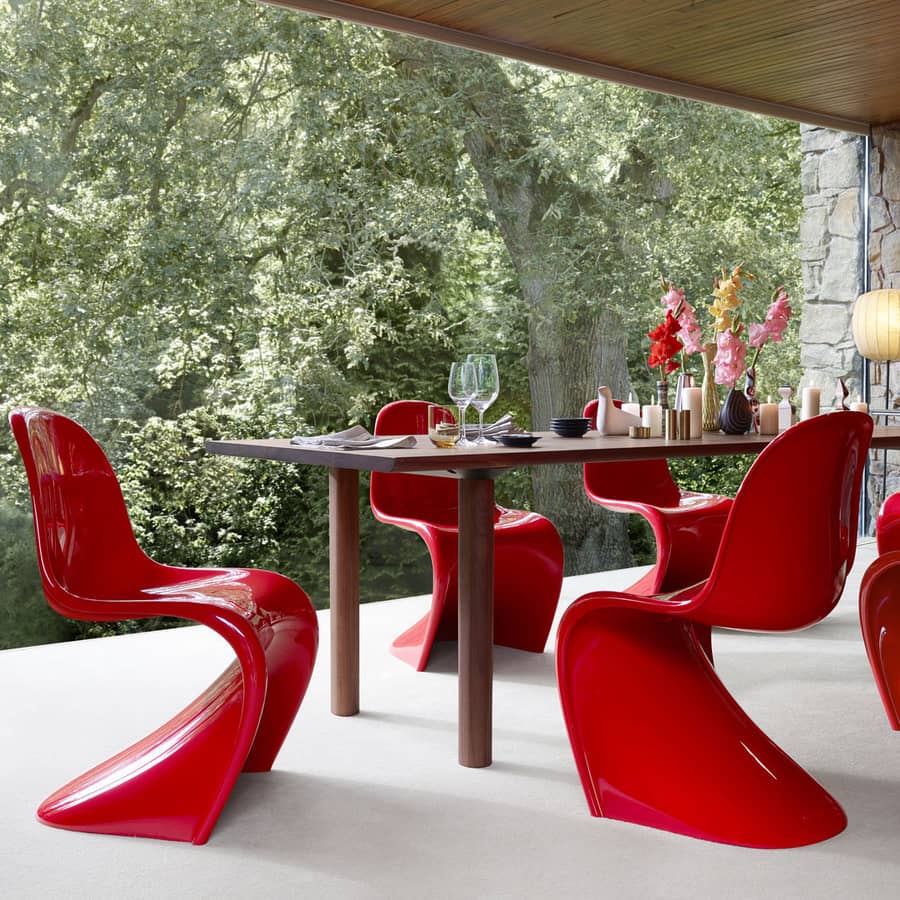
Among Verner Panton’s most iconic creations, the Panton Chairoccupies a central place. Designed in the late 1950s and mass-produced by Vitra from 1967 onwards, this one-piece chair in fiberglass-reinforced plastic revolutionized ergonomics and fluidity of line in modern furniture. Its cantilevered base and sculptural form embody Panton’s visionary spirit.
In the field of lighting, the Flowerpot lamp (1968), published by &Tradition, perfectly illustrates his mastery of color and geometry. Composed of two perfect hemispheres, it diffuses a soft light while infusing a joyful energy into the space, symbolizing the Danish designer’s immersive pop aesthetic.
The Panthella lamp (1971), created with Louis Poulsen, completes this iconic trio. Its tulip-shaped chrome base and opaline acrylic hemispherical shade strike a balance between functionality and emotion, offering an enveloping, adjustable light.
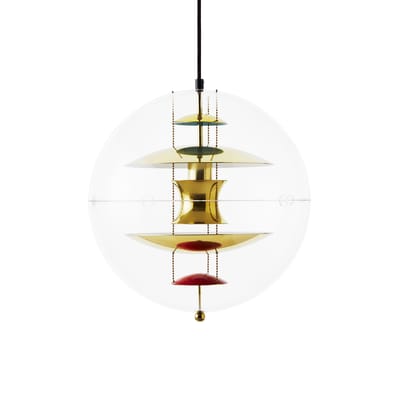
Last but not least, the Panton Wire System and the pieces edited by Verpan bear witness to his spirit of experimentation: a modular system, repeating patterns and bold play on materials – essential elements of Verner Panton design. These timeless creations continue to inspire designers and interior enthusiasts around the world.
The color is at the heart of design Verner Panton. For the Danish designer, it’s never decorative, but functional and emotional, capable of influencing perceptions, moods and the use of spaces. His interiors and objects, from furniture to lighting, exploit bold, vibrant and harmonious palettes, creating immersive environments where every hue dialogues with architecture. Icons such as the Panton Chairthe Flowerpot or the Panthella illustrate this approach: bright, contrasting colors emphasize sculptural forms, enhance visual comfort and transform each piece into a sensory experience, the inimitable signature of Verner design. Verner Panton design.
The Panton Chair embodies the audacity of design Verner Panton and remains an icon of XXᵉ century furniture. The first one-piece plastic chair with a cantilever design, it combines flowing shapes, ergonomics and comfort. Its continuous structure, made of fiberglass-reinforced polyester and then polypropylene, rethinks balance and the traditional base, while playing on visual lightness. Sound sculptural, futuristic design defies convention, transforming a simple chair into an artistic object. The Panton Chair exemplifies Panton’s experimental and visionary spirit, pushing the limits of materials and form in his iconic creations.
Yes, absolutely. The creations of design Verner Panton transcend time and blend seamlessly into contemporary interiors. Iconic furniture, sculptural fixtures and modular modules bring color, fluidity and boldness to any space. Rooms like the Panton Chairthe Flowerpot or the Panton Wire combine functionality and aesthetics, offering both comfort and visual impact. Their formal language, based on curves, innovative materials and vibrant palettes, dialogues with minimalist or eclectic decors. In this way, Panton’s visionary style, at once experimental and joyful, remains a constant. resolutely modernwhile enriching interiors with a timeless, iconic touch.
Share this magazine